Tag: Renter-Friendly

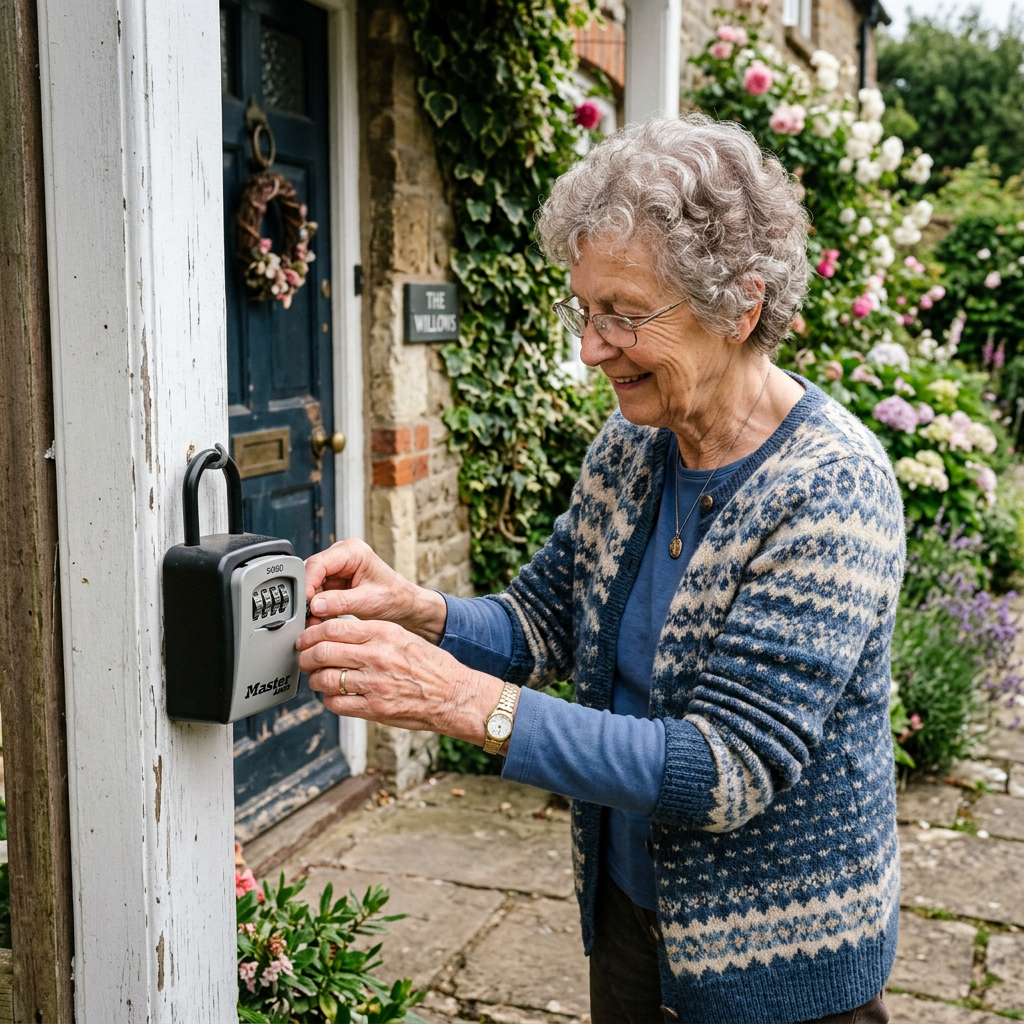
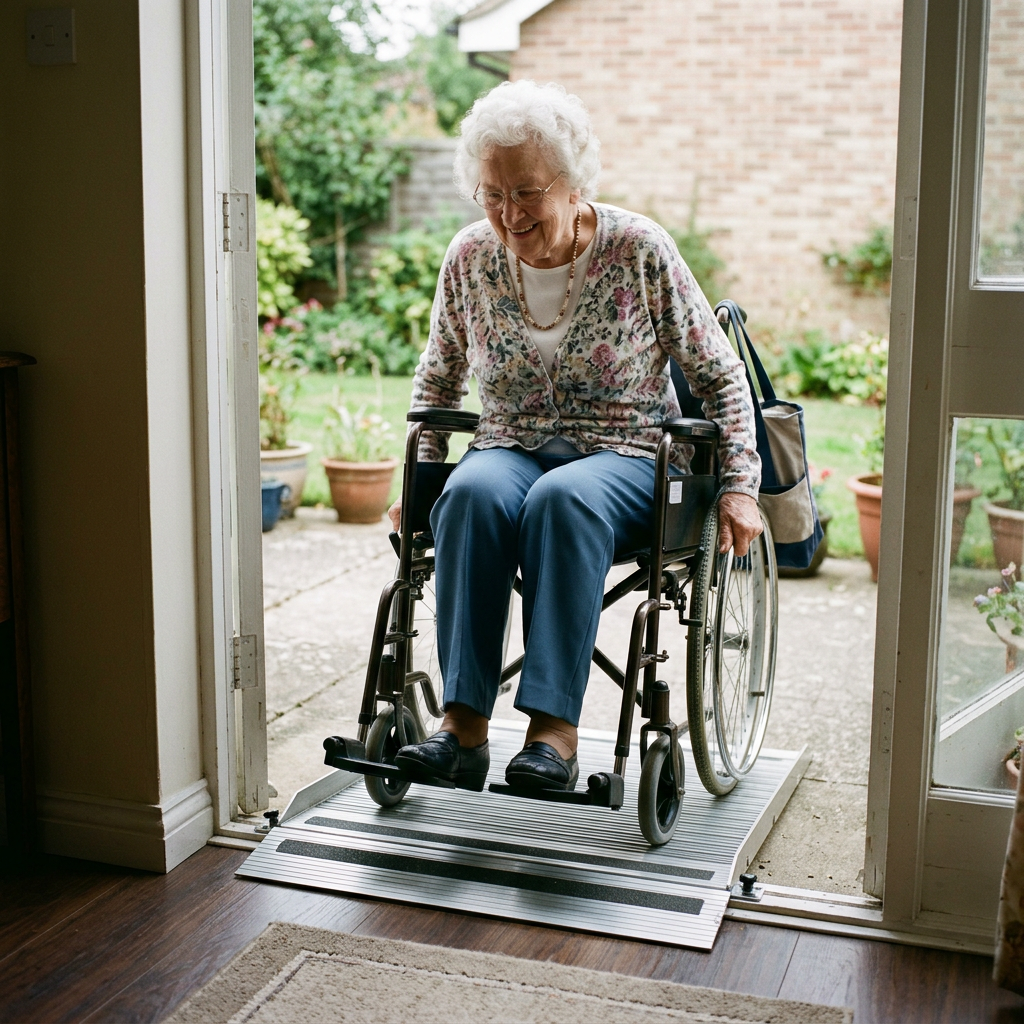
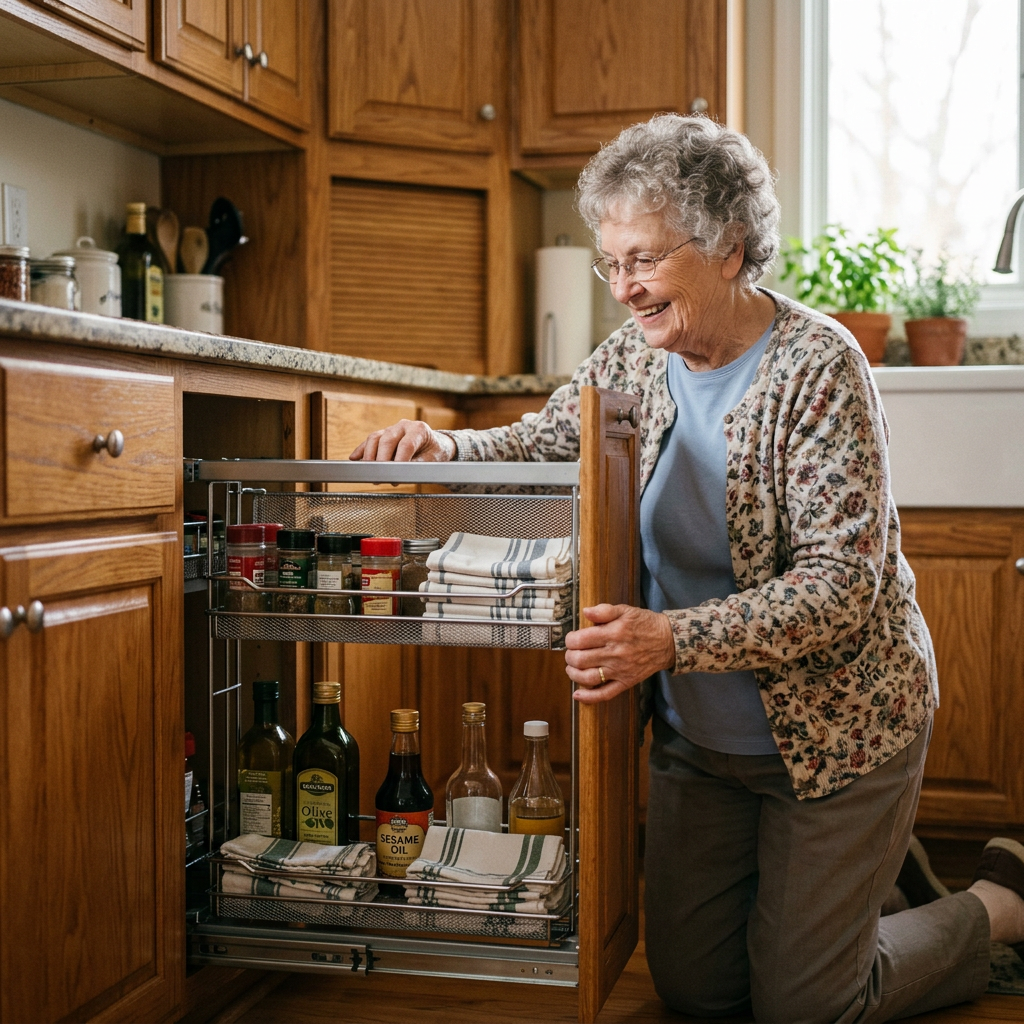
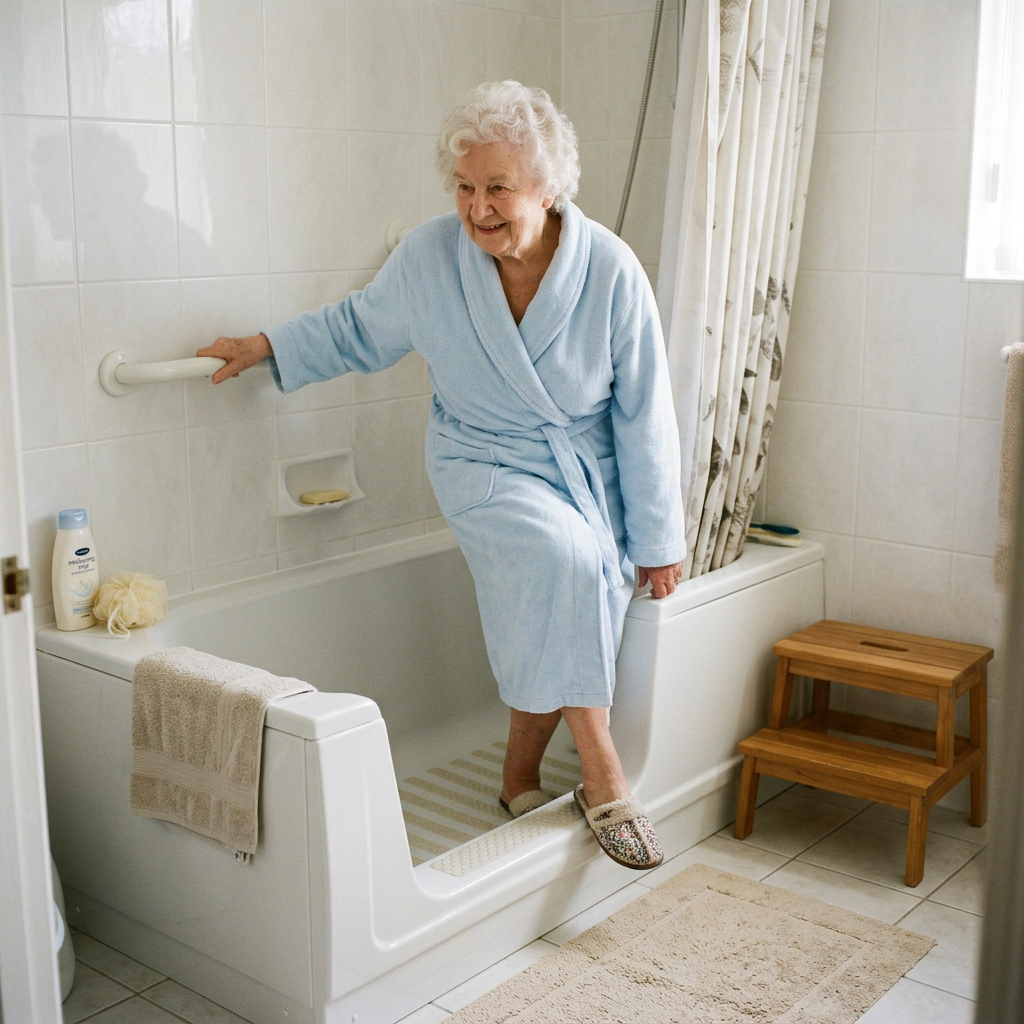
Solutions that don’t require drilling, permanent installation, or landlord approval.

  • The Best Bed Ladder Assist Straps for Seniors

    The Best Bed Ladder Assist Straps for Seniors

    Disclosure: BuyingForMom is reader-supported. As an Amazon Associate we earn from qualifying purchases. When you buy through links in this article, we may earn an affiliate commission at no additional cost to you. We never recommend products we haven’t researched against verified-buyer review data. This article is editorial reporting, not medical advice.

    5 Best Bed Ladder Assist Straps for Seniors

    By Sarah Mitchell · Editor, BuyingForMom · Updated August 2026

    9 min read · Bedroom & Mobility · 5 picks compared

    The honest take: For most people who can still grip and pull with their arms, the Vive Bed Ladder Assist is the one to buy and stop there. The padded rungs and heavy webbing do the job for about twenty dollars. Step up to the Stander BedCaddie only if you want a longer track record and a slightly longer strap for a deep or adjustable frame. And skip a bed ladder entirely if the person can’t pull with their arms without shoulder pain a rail they push against is the safer tool, and no strap changes that.

    How we sorted through 20+ bed ladder straps in two weeks. We compared more than twenty pull-up strap ladders on Amazon against three things: verified-buyer reviews (thousands across the major listings), how occupational therapists describe who these devices actually help, and recurring caregiver questions on Reddit’s r/AgingParents and r/stroke. The pattern was consistent the straps are nearly identical, so the real decision isn’t brand. It’s matching the number of rungs to the person’s arm and grip strength, and being honest about whether a ladder is even the right tool versus a rail. Every pick below is verified in stock on Amazon as of August 2026.

    Who this guide is for

    This guide is for adult children and caregivers helping a parent who has trouble sitting up in bed — often after surgery, a stroke, or a stretch of weakness but who still has reasonable arm and grip strength. If the person can’t pull with their arms, see “What to actually look for” below, where we explain the safer alternative. If you’re shopping for yourself during a recovery, the same picks apply.

    Getting from lying flat to sitting upright is one of the first everyday movements people lose after surgery, a stroke, or a run of deconditioning. A bed ladder assist strap, sometimes called a bed pull-up strap — is one of the least expensive aging-in-place tools that exists, usually under twenty-five dollars, and one of the most quietly dignity-preserving. It loops around the foot of the bed frame and gives the person rungs to pull hand-over-hand, so they raise themselves a little at a time instead of straining their back or calling for help at 3 a.m.

    The catch is that a bed ladder only works if the person can pull. It rewards arm and grip strength and does nothing for someone who needs to push up against something solid. That distinction, pull versus push is what most roundups skip, and it runs through everything below.

    At a glance

    Best overall
    Vive Bed Ladder Assist — ~$20 · padded rungs, 300 lb, HSA/FSA — the safe default for most buyers.

    Best established brand
    Stander BedCaddie — ~$28 · 48–84″ adjustable, longest track record.

    Best budget
    3-Handle Bed Ladder Assist — ~$14 · three rungs, quick-release buckle.

    Best for long & adjustable beds
    4-Handle 160″ Bed Ladder — ~$16 · extra length for deep or adjustable frames.

    Best for limited strength
    KkaFFe 6-Handle Bed Ladder — ~$18 · six rungs, smallest pulls between grips.

    In this guide

    1. The five picks  ·  2. Comparison table  ·  3. The conversation you’ll have  ·  4. Insurance and savings  ·  5. What to actually look for  ·  6. FAQ  ·  7. The shortlist

    Best OverallVive Bed Ladder Assist

    ~$20 · Check price on Amazon →

    Vive is one of the most recognized names in low-cost home mobility, and its bed ladder is the pick we’d hand almost anyone starting from scratch. Across several thousand verified reviews the praise is consistent: the webbing is genuinely heavy-duty, the padded grips don’t bite into arthritic palms the way bare nylon rungs do, and the slide buckle holds its adjustment instead of creeping loose overnight. It supports up to 300 pounds, loops tool-free around the frame, and is listed as HSA/FSA eligible. The common complaint is that on very tall footboards the strap can sit a touch short — which is why we list a longer option below.

    The good

    • Padded rungs are easier on arthritic hands than bare webbing
    • Buckle holds its adjustment; reviewers report no overnight slipping
    • HSA/FSA eligible and backed by a responsive brand

    The catch

    • Can run short on unusually tall or deep footboards
    • Four rungs means larger pulls than a six-rung ladder

    This is right if… the person has decent arm strength and you want a proven, no-guesswork strap.

    Look elsewhere if… your footboard is very deep or the bed is a tall adjustable frame — size up in length.

    Best Established BrandStander BedCaddie

    ~$28 · Check price on Amazon →

    The BedCaddie has been on the market longer than almost any strap in this category, and occupational therapists still name it more often than the newer generics — Stander is a familiar rehab-supply brand, and its reinforced nylon and sewn seams have a long, boring, trouble-free review history. It adjusts from 48 to 84 inches, clearing deep footboards and most adjustable beds without the shortness complaint that dogs cheaper straps, and its three non-slip handles are spaced for incremental pulls. It rates for 300 pounds and needs no assembly. Buyers do note it costs a few dollars more, and the handles are firm rather than plushly padded, so very sensitive hands may prefer the Vive.

    The good

    • Longest, most reassuring review history in the category
    • 48–84″ range fits deep footboards and adjustable beds
    • Established rehab brand OTs already recognize

    The catch

    • A few dollars more than generic equivalents
    • Handles are firm, not heavily padded

    This is right if… you want a name a therapist will recognize and a strap sized for a deeper bed.

    Look elsewhere if… you’re on the tightest budget or want the softest possible grips.

    Best Budget3-Handle Bed Ladder Assist

    ~$14 · Check price on Amazon →

    When money is tight or you want to see whether a ladder works for a parent before committing, this three-handle strap does the same core job for roughly the price of two coffees. The grips sit about 10.6 inches apart, and the quick-release buckle makes it easy to unclip and stash when company comes. Reviewers say it does exactly what it promises; the honest limitation is that three rungs means bigger gaps between pulls, so it suits someone with a bit more arm strength. Stitching is a notch below the Vive and Stander, the trade you accept at this price.

    The good

    • Lowest-cost way to test whether a ladder helps
    • Quick-release buckle for easy removal and storage
    • Same tool-free loop-around-the-frame setup

    The catch

    • Only three rungs larger pulls, needs more arm strength
    • Stitching is a step below the premium picks

    This is right if… you want an inexpensive trial or a backup for a second bed.

    Look elsewhere if… the person tires quickly and needs the gentlest possible increments.

    Best for Long & Adjustable Beds4-Handle 160″ Bed Ladder

    ~$16 · Check price on Amazon →

    The most common one-star reason across every bed ladder listing is “too short for my bed,” and this 160-inch, four-handle strap exists to solve exactly that. The extra length clears deep footboards on many adjustable and platform beds while keeping the top handle within reach at the waist. Four grips give more incremental pulls than a three-rung ladder without the bulk of six. Buyers with king and adjustable frames are the happiest reviewers; the flip side is that on a standard twin the surplus strap dangles and needs tidying so it isn’t a trip point.

    The good

    • 160″ length clears deep and adjustable footboards
    • Four rungs balance reach and incremental pulls
    • Fits frames where standard straps fall short

    The catch

    • Excess strap dangles on smaller beds — tuck it away
    • Generic brand with a shorter review history

    This is right if… the bed is a king, platform, or adjustable frame with a deep footboard.

    Look elsewhere if… it’s a standard twin or full — the extra length is just clutter.

    Best for Limited StrengthKkaFFe 6-Handle Bed Ladder

    ~$18 · Check price on Amazon →

    More rungs mean smaller pulls, and for a parent whose arms tire fast that difference is the whole ballgame. The KkaFFe packs six handles into its ladder, so the person advances a few inches at a time and can rest between grips rather than committing to one big haul. Reviewers recovering from surgery or managing post-stroke weakness are the ones who single it out, and the closer rung spacing is the reason. It uses the same tool-free loop setup as the others. The downside: six handles add more strap to manage, and a few buyers wanted heavier padding, so add a grip towel if hands are very tender.

    The good

    • Six rungs allow the smallest, gentlest increments
    • Lets a tiring user rest between pulls
    • Favored by post-surgery and post-stroke reviewers

    The catch

    • More strap length to keep tidy
    • Grips are firm; tender hands may want extra padding

    This is right if… the person’s arms fatigue quickly and needs to climb up in small stages.

    Look elsewhere if… they have solid arm strength — fewer rungs are simpler to manage.

    How the five compare

    Strap Rungs Approx. price Best for
    Vive Bed Ladder 4 (padded) ~$20 Most buyers; arthritic hands
    Stander BedCaddie 3 ~$28 Deep/adjustable beds; brand trust
    3-Handle Assist 3 ~$14 Budget / trial
    4-Handle 160″ 4 ~$16 King, platform, adjustable frames
    KkaFFe 6-Handle 6 ~$18 Limited / tiring arm strength

    The conversation you’ll have

    Bed aids carry a sting that a new kettle or lamp never does they announce that the body is failing, and a proud parent can hear “you’re becoming helpless” in a twenty-dollar strap. The way in is to frame it as independence, not decline, because that’s what it literally is. Instead of “this will help you when you can’t get up,” try: “This just means you don’t have to wake anyone to sit up you pull yourself up on your own schedule.” One restores control; the other confirms a fear.

    It also helps to make it temporary and shared. “The therapist suggested we try one while you’re getting your strength back” lands better than a permanent-sounding fixture, and testing it together the first morning turns it into a small project rather than a verdict. If the resistance is about how it looks, point out that it unclips in two seconds and disappears when guests come — a bed ladder leaves no trace, unlike a rail bolted to the frame.

    Insurance and savings

    Original Medicare (Part B) generally will not reimburse a bed ladder strap, it isn’t classified as durable medical equipment the way a hospital bed or walker is, so plan to pay out of pocket. The tax side is friendlier: these straps are widely HSA- and FSA-eligible as a medical mobility aid (Vive markets its ladder as HSA/FSA approved), so you can buy with pre-tax dollars, and unreimbursed amounts may count toward the medical-expense deduction under IRS Publication 502 if you itemize. Some Medicare Advantage plans now offer a small supplemental allowance that can cover inexpensive safety aids — worth a two-minute check of your parent’s plan. Keep the receipt either way.

    What to actually look for

    Match the rung count to arm strength

    This is the decision that matters most and the one every generic listicle ignores. Fewer rungs (three) mean bigger pulls and suit someone with solid arm strength; more rungs (six) mean small, restful increments for arms that tire fast. Be honest about where your parent sits today, not where they were a year ago. If you’re mapping out several changes at once, our complete aging-in-place home safety checklist puts bedroom mobility in its priority order.

    Confirm length and a compatible frame

    A bed ladder loops around a solid foot-of-bed frame, so it needs something to anchor to — many platform and storage beds without a true footboard rail won’t work, and that’s the number-one return reason. Measure before you buy and size up in length for deep or adjustable frames. Our room-by-room aging-in-place modification guide walks through fitting the bedroom as a whole.

    Know when a rail beats a ladder

    A ladder rewards pulling; a rail rewards pushing. If the person has weak or painful shoulders, or leans on their hands to rise, a firm rail is safer and more stable than any strap — and it also helps with getting in and out of bed, which a ladder does not. See our guide to bed-assist rails that don’t look medical for that route. Many families end up using both: a rail on the exit side, a ladder at the foot.

    Frequently asked questions

    How does a bed ladder assist strap work?

    It’s a fabric strap with padded rungs that loops around the foot of the bed frame. Lying down, the person grips the lowest rung and pulls hand-over-hand up the ladder, raising themselves to a seated position a little at a time instead of straining their stomach and back muscles or pushing off the mattress.

    Who should not use a bed ladder?

    Anyone who can’t pull with their arms — including people with significant shoulder pain, very weak grip, or limited upper-body strength. A bed ladder rewards pulling, so if the person relies on pushing up against something solid, a bed rail is the safer, more stable choice for them.

    How do you attach one to an adjustable bed?

    Loop the strap around the fixed foot rail of the frame, snap the buckle, and adjust so the top handle sits near the waist when lying flat. Choose a longer model (the 84-inch or 160-inch options) for deep footboards, and keep the ladder clear of the moving hinge on an adjustable base.

    What is the weight limit?

    Most quality bed ladders, including the Vive and Stander picks here, are rated to support up to 300 pounds thanks to reinforced nylon webbing and sewn seams. Always check the specific listing, and confirm the strap is pulled tight and the buckle is fully snapped before the first use.

    Bed ladder or bed rail — which is better?

    They solve different problems. A ladder helps a person pull themselves upright and is compact and removable; a rail gives something firm to push against and also helps with getting in and out of bed. Choose by which motion the person can do safely — many households use both.

    Does Medicare or FSA cover a bed ladder?

    Original Medicare generally does not cover bed ladder straps, as they aren’t classed as durable medical equipment. They are, however, commonly HSA- and FSA-eligible, and some Medicare Advantage plans include a small supplemental allowance for low-cost safety aids. Keep your receipt for possible medical-expense deductions.

    Can you use a bed ladder strap by yourself?

    Yes — that’s the point. It’s designed for independent, solo use so the person can sit up without waking a caregiver. The only requirement is enough arm and grip strength to pull hand-over-hand; if that’s borderline, have someone nearby for the first few tries.

    The shortlist

    Best Overall

    Vive Bed Ladder Assist

    ~$20

    Check on Amazon →

    Best Brand

    Stander BedCaddie

    ~$28

    Check on Amazon →

    Best Budget

    3-Handle Bed Ladder

    ~$14

    Check on Amazon →

    Best for Long Beds

    4-Handle 160″ Ladder

    ~$16

    Check on Amazon →

    Best for Weak Arms

    KkaFFe 6-Handle Ladder

    ~$18

    Check on Amazon →

    Last verified in stock: August 14, 2026

    What we’d do tomorrow

    If you’re setting this up this weekend, do three things in order. First, check the bed has a solid foot rail to loop around — a rail-free platform bed won’t anchor a ladder, so you’d want a bed-assist rail instead. Second, be honest about arm strength and match the rung count: four for most, six if arms tire fast, three only if strength is solid. Third, buy the Vive for almost anyone, size up to the 160-inch model for a deep or adjustable frame, and test it together the first morning so it feels like a shared win. It’s twenty dollars and two minutes to install — one of the highest returns on dignity you can buy for a bedroom.

    — Sarah

    BuyingForMom is a reader-supported site. As an Amazon Associate we earn from qualifying purchases. When you buy through links on this site, we may earn an affiliate commission at no additional cost to you. See our Affiliate Disclosure for details. This article is not medical advice — please consult a qualified healthcare professional for decisions specific to your parent’s situation.
  • 5 Best Rug Grippers for Seniors

    5 Best Rug Grippers for Seniors

    Disclosure: BuyingForMom is reader-supported. As an Amazon Associate we earn from qualifying purchases. When you buy through links in this article, we may earn an affiliate commission at no additional cost to you. We never recommend products we haven’t researched against verified-buyer review data. This article is editorial reporting, not medical advice.

    5 Best Rug Grippers for Seniors to Stop Slipping and Curling Rugs

    By Sarah Mitchell · Editor, BuyingForMom · Updated August 2026

    9 min read · Living Room · 5 picks compared

    The honest take: A loose or curling area rug is one of the most common trip hazards in an older adult’s home, and the fix depends entirely on which problem you have. If the whole rug slides on a hard floor, buy a full Gorilla Grip pad and stop there. If it’s the corners curling up into a toe-catch, skip the pad and use StepNGrip corner grippers instead. And be honest with yourself: if a rug sits at the top of stairs or in a walker’s path, the safest gripper is no rug at all.

    How we sorted through 30-plus rug grippers in two weeks. We started from Amazon’s Rug Grip Tape & Pads best-seller list, then cross-referenced roughly 30 products against verified-buyer reviews, the CDC’s guidance that loose rugs are a leading household fall hazard, and occupational-therapist checklists that flag rug edges before almost anything else. We split every candidate by the two jobs it can actually do, stopping a whole rug from sliding, or flattening a curling corner — and cut anything buyers reported left adhesive residue on hardwood.

    Who this guide is for. This guide is for adult children and seniors trying to make an existing area rug safe to walk over, especially on hardwood, tile, or vinyl plank. If you’re deciding whether to keep a rug at all near stairs, thresholds, or a walker’s route, read the “conversation” and buying-guide sections below before you buy anything.

    The best rug grippers for seniors aren’t the ones with the strongest advertised grip they’re the ones matched to the failure you’re actually seeing. Buyers and OTs describe two different problems that get lumped together online: a rug that slides across a slick floor, and a rug whose corners lift and curl into a raised lip. A full-rug pad fixes the first and does almost nothing for the second; corner grippers fix the second and won’t stop a lightweight rug from traveling. Below, each pick is labeled by the job it does.

    One reality check no other roundup will say: the safest home for an older adult with balance issues often has fewer rugs, not better-secured ones. Grippers are the right call for rugs you’re keeping, not a reason to keep a rug in a genuinely dangerous spot.

    At a glance

    Best Overall  Gorilla Grip Strong Rug Pad Gripper — ~$13 · full-rug pad that stops sliding on hard floors.

    Best Value Pad  RUGSURE Rug Gripper Pad — ~$12 · open-grid pad for smaller accent rugs.

    Best for Curling Corners  StepNGrip / NeverCurl Corner Grippers — ~$15 · stiff-layer tabs that flatten lifting corners.

    Best No-Residue on Hardwood  Home Techpro Vacuum Tech Grippers — ~$29 · suction cups, no adhesive on the floor.

    Best Budget / Renter  Rug Grip No Curl Corner Tabs — ~$13 · triangular tabs that stick to the rug, not the floor.

    Best Overall  Gorilla Grip Strong Rug Pad Gripper

    ~$13 (2×3 ft; multiple trim-to-fit sizes) · Check price on Amazon →

    If a whole rug travels when a foot or a walker catches it, this is the fix. The Gorilla Grip pad is a dual-sided rubber grid that grabs both the floor and the rug’s backing, and across tens of thousands of verified reviews it’s the pad buyers most often say “actually stayed put.” It’s reversible, vacuum-friendly, and trims with scissors to fit runners and odd-size rugs — which is why it’s our default for the most common problem, a lightweight rug sliding on hardwood or tile.

    The good

    • Grips both surfaces, the single most reliable way to stop a whole rug from sliding.
    • Trims to any size with household scissors, so one pad fits a runner or an odd rug.
    • Reversible and washable; the open grid won’t trap grit against the floor.

    The catch

    • A pad stops sliding but won’t flatten a corner that’s already curled pair it with corner grippers if you have both problems.
    • On heavily textured luxury-vinyl plank, a few buyers report the grip is weaker than on smooth hardwood.

    This is right if… the entire rug slides on a hard floor and you want the most trusted, trim-to-fit pad.

    Look elsewhere if… your rug lies flat but the corners lift, you need corner grippers, not a pad.

    Check Price on Amazon →

    Best Value Pad  RUGSURE Rug Gripper Pad

    ~$12 (2×3 ft; larger sizes available) · Check price on Amazon →

    RUGSURE does the same core job as our top pick for a dollar or two less: an open-grid, non-slip underlay for hardwood and tile that keeps a rug from bunching or creeping. Verified buyers describe a no-fuss pad that holds smaller accent rugs and runners in place and shrugs off high heels and pets without breaking down. It’s the pick when you have a couple of modest rugs to secure and don’t want to pay a premium — entryway mats, kitchen-edge runners, and bedside rugs.

    The good

    • Among the cheapest reliable full-rug pads for hard floors.
    • Open grid protects the floor finish and airs out the space beneath the rug.
    • Holds up to daily traffic — buyers cite heels and pets without slipping.

    The catch

    • Thinner than premium pads, so it adds grip but little cushion underfoot.
    • Fewer size options than the big brands — check dimensions before buying for a large rug.

    This is right if… you’re securing one or two smaller rugs and want the lowest-cost pad that still works.

    Look elsewhere if… you want noticeable cushion underfoot, or you need an exact size for a large living-room rug.

    Check Price on Amazon →

    Best for Curling Corners  StepNGrip / NeverCurl Corner Grippers

    ~$15 (4-pack) · Check price on Amazon →

    Curling corners are the sneakier hazard: the rug lies flat in the middle but the edge lifts into a lip that catches a toe, a cane tip, or a walker wheel. StepNGrip (sold under the NeverCurl name) is the product reviewers most credit with solving it, because it does something a pad can’t, a stiff internal layer physically holds the corner down while a renewable sticky gel grips both rug and floor. Buyers note the gel “comes back to life” with a wipe of a damp cloth, so one set lasts, and you can flip a corner up to vacuum and press it back. For a rug that’s flat except at the edges, this is the targeted fix.

    The good

    • Stiff layer flattens a curled corner,  the exact toe-catch a pad leaves untouched.
    • Renewable gel wipes clean and re-sticks, so the set is genuinely reusable.
    • Lifts and repositions without tools or floor residue.

    The catch

    • Treats corners only; a lightweight rug can still slide in the middle, so pair with a pad if it does.
    • The gel needs an occasional wipe to renew its stickiness a minute of upkeep, not zero.

    This is right if… the rug stays put but the corners keep lifting into a trip lip.

    Look elsewhere if… the whole rug slides — a pad is the better tool for that.

    Check Price on Amazon →

    Best No-Residue on Hardwood  Home Techpro Vacuum Tech Grippers

    ~$29 (regularly ~$39) · Check price on Amazon →

    If your worry is the floor as much as the fall, this is the one to look at. Instead of adhesive, Home Techpro uses tiny suction cups press down and air escapes, creating a vacuum grip that holds without glue and peels off clean. Apartment Therapy’s reviewer liked how simple it was, and buyers with pristine hardwood appreciate that nothing sticky ever touches the finish. The honest limitation is real, though: it needs a smooth, hard floor and won’t grip rugs over carpet, rubber-backed rugs, or jute and a few buyers with dogs report a runner still shifting under hard play.

    The good

    • No adhesive on the floor, suction grip peels off with zero residue.
    • Ultra-thin, so it stays invisible and won’t create its own edge.
    • Reusable and repositionable across smooth hard floors.

    The catch

    • Smooth hard floors only, won’t work over carpet, or on rubber-backed or jute rugs.
    • Priciest pick here, and a few buyers report shifting under heavy pet activity.

    This is right if… you have smooth hardwood or tile and refuse to risk any adhesive residue.

    Look elsewhere if… the rug sits on carpet or has a rubber or jute backing.

    Check Price on Amazon →

    Best Budget / Renter  Rug Grip No Curl Corner Tabs

    ~$13 (4 tabs) · Check price on Amazon →

    This is the low-cost, renter-safe way to kill a curling corner. Rug Grip No Curl uses double-sided triangular tabs that bond to the rug, not the floor — so there’s no odor, no residue, and nothing to strip off hardwood, vinyl, or laminate when the lease ends. The maker markets it explicitly for keeping children, pets, and older adults from tripping on rug curl, and verified buyers back that up for lightweight rugs and runners. Because the adhesive lives on the rug side, it’s the cleanest option for anyone who can’t modify their floors.

    The good

    • Sticks to the rug, not the floor zero residue, ideal for renters.
    • Works across hard floor types: tile, hardwood, vinyl, laminate, concrete.
    • Cheapest way to flatten a curling corner; made in the USA.

    The catch

    • Because it bonds to the rug, moving the tabs to a different rug later is limited.
    • Corners only — no help for a rug that slides across the middle.

    This is right if… you rent, can’t touch the floors, and just need curling corners to stay flat.

    Look elsewhere if… you want one set you can peel off and reuse on several different rugs over time.

    Check Price on Amazon →

    How the five compare

    Product Fixes Approx. price Best for
    Gorilla Grip Pad Whole-rug slide ~$13 Most rugs on hard floors
    RUGSURE Pad Whole-rug slide ~$12 Small accent rugs, tight budget
    StepNGrip / NeverCurl Curling corners ~$15 Reusable corner fix
    Home Techpro Vacuum Tech Corners, no residue ~$29 Pristine hardwood, no adhesive
    Rug Grip No Curl Tabs Curling corners ~$13 Renters, budget, no floor residue

    The conversation you’ll have

    Rugs are personal in a way grab bars aren’t — often a gift, a memory, or the thing that “makes the room feel like home” — so calling one dangerous can land as calling your parent frail. Make it about the rug’s behavior, not their balance. Instead of “that rug is a fall risk, we should get rid of it,” try: “That corner keeps flipping up — I found little grippers that flatten it so it stops catching your foot. Can I put a couple on this weekend?” You’ve named a fixable annoyance they’ve probably noticed too, and offered to do the work.

    Save the harder conversation for the rugs that genuinely can’t be made safe — one at the top of a staircase, or a thick rug in a walker’s path. Frame it as a trade, not a loss: “Let’s move this beautiful one into the bedroom where it’s safe, and keep the hallway clear.” Keeping the rug in the house, just in a safer room, is far easier to accept than throwing it out.

    Insurance and savings

    Be realistic here: unlike grab bars, walkers, or lift chairs, rug grippers are treated as ordinary household items, so Medicare won’t cover them and they generally aren’t FSA/HSA-eligible without a doctor’s Letter of Medical Necessity — which almost never makes sense for a $13 purchase. The real savings math is simpler: a complete fix for one problem rug — a pad plus a set of corner grippers — runs about $25 to $30 total. Set against the cost and consequences of a fall, it’s among the cheapest fall-prevention steps in the whole home.

    What to actually look for

    Match the tool to the failure slide vs. curl

    This is the whole game. Watch the rug for a day. If it travels across the floor, you need a full-rug pad. If it stays put but the edges lift, you need corner grippers. If it does both, buy both buying the wrong one is the number-one reason people conclude “grippers don’t work.” For where rugs matter most, see our room-by-room aging-in-place modification guide.

    Protect the floor, not just the rug

    A gripper that leaves sticky residue on hardwood creates a second hazard and a cleanup headache. Favor open-grid pads, renewable gel grippers, suction cups, or tabs that bond to the rug rather than the floor — all represented above. Check your floor type first: suction products need smooth, hard surfaces and won’t grip over carpet or under rubber-backed and jute rugs. Rug safety is one line item on a larger list our complete aging-in-place home safety checklist puts it in priority order.

    Know when to remove the rug instead

    No gripper makes a rug safe at the top of stairs, on a landing, or squarely in a walker’s path those are the spots where OTs simply say remove it. Grippers are for the rugs you’re keeping in lower-risk rooms. And because a fall can still happen, it’s worth pairing home fixes with a way to call for help; our guide to fall-detection devices with no monthly fee covers the options.

    Frequently asked questions

    Do rug grippers really work on hardwood floors?
    Yes, when matched to the problem and floor. Rubber-grid pads and residue-free corner grippers hold well on smooth hardwood. Suction-style grippers also work but only on smooth, hard surfaces. The common failure is using a corner gripper to stop a whole rug from sliding, which it isn’t designed to do.

    Are area rugs a fall risk for seniors?
    They can be. The CDC and occupational therapists consistently list loose rugs and curling edges among the leading trip hazards in the home. A secured rug on a low-traffic floor is usually fine; a sliding or curling rug near stairs, thresholds, or a walker’s path is the dangerous case worth removing.

    Do rug grippers damage hardwood floors?
    The right ones don’t. Open-grid pads, suction grippers, and tabs that adhere to the rug rather than the floor leave no residue. The products to avoid are cheap double-sided tapes that bond aggressively to the finish and can pull or discolor it when removed. All five picks here are floor-safe.

    How do you stop rug corners from curling?
    Use corner grippers, not a pad. Products with a stiff internal layer physically hold the corner flat, while renewable-gel or triangular tabs bond the corner down. A full-rug pad stops sliding but does almost nothing for a corner that’s already lifted into a toe-catching lip.

    Rug pad or corner grippers which is better?
    Neither is universally better; they fix different problems. A pad stops a whole rug from sliding across a slick floor. Corner grippers flatten lifting edges. If your rug both slides and curls, use both together — combined they still cost under $30 for one rug.

    Should seniors have area rugs at all?
    It depends on the room and the person’s balance. Rugs are fine in lower-risk rooms when properly secured. But at the top of stairs, on landings, or in the path of a walker or wheelchair, the safest choice is to remove them entirely — no gripper overcomes those locations.

    The shortlist

    Best Overall

    Gorilla Grip Rug Pad Gripper

    ~$13

    Check on Amazon →

    Best Value Pad

    RUGSURE Rug Gripper Pad

    ~$12

    Check on Amazon →

    Best for Curling Corners

    StepNGrip / NeverCurl Corner Grippers

    ~$15

    Check on Amazon →

    Best No-Residue

    Home Techpro Vacuum Tech Grippers

    ~$29

    Check on Amazon →

    Best Budget / Renter

    Rug Grip No Curl Corner Tabs

    ~$13

    Check on Amazon →

    Last verified in stock: August 12, 2026

    What we’d do tomorrow

    If you’re starting this weekend, do three things in order. First, watch each rug for a full day note which ones slide and which ones curl. Second, pull any rug at the top of stairs, on a landing, or in a walker’s path and move it to a safer room; no gripper fixes those spots. Third, for the rugs you’re keeping, order a Gorilla Grip pad for the sliders and StepNGrip corner grippers for the curlers roughly $30, and a job you can finish in an afternoon.

    — Sarah

    BuyingForMom is a reader-supported site. As an Amazon Associate we earn from qualifying purchases. When you buy through links on this site, we may earn an affiliate commission at no additional cost to you. See our Affiliate Disclosure for details. This article is not medical advice please consult a qualified healthcare professional for decisions specific to your family.
  • 5 Best Floor-to-Ceiling Transfer Poles for Seniors

    5 Best Floor-to-Ceiling Transfer Poles for Seniors

    Disclosure: BuyingForMom is reader-supported. As an Amazon Associate we earn from qualifying purchases. When you buy through links in this article, we may earn an affiliate commission at no additional cost to you. We never recommend products we haven’t researched against verified-buyer review data. This article is editorial reporting, not medical advice.

    5 Best Floor-to-Ceiling Transfer Poles for Seniors

    By Sarah Mitchell · Editor, BuyingForMom · Updated July 2026

    9 min read · Balance & Mobility · 5 picks compared

    The honest take: For most homes, buy the Stander Security Pole with Curve Grab Bar  the 360° swivel handle adapts to standing, sitting, and turning without repositioning the pole. Spend up for the Signature Life Sure Stand only if you have a vaulted or slanted ceiling, because it’s the one pole engineered for that. And before you buy any of these, look up: a tension pole won’t hold on a drop ceiling, a “popcorn” ceiling, or over thick carpet, that disqualifier sends more of these back than any quality problem.

    How we sorted through 20-plus transfer poles in the 2026 Amazon catalog

    We cross-referenced more than 6,000 verified-buyer reviews across the transfer-pole and “security pole” category, then narrowed on the specs that decide whether one gets used or quietly abandoned: handle configuration, weight rating, ceiling-height range, and the mounting-surface disqualifiers most listings bury below the fold. We weighted caregiver patterns on Reddit’s r/AgingParents alongside occupational-therapist guidance, which favors a rotating or dual-grip handle over a single fixed bar because real transfers involve turning, not just pulling straight up. One honest note: a few makers. Stander chief among them and dominate this category, so a credible shortlist leans on their distinct configurations rather than pretending a dozen unrelated brands compete.

    Who this guide is for

    This guide is for adult children setting up a safer bedside, bathroom, or favorite-chair spot for a parent who can still stand but needs something solid to pull up on, without holes drilled in the walls. If you’re shopping for yourself, the same picks apply; just skip the “conversation” section below. If the person can no longer bear weight through their arms at all, a pole isn’t the right tool — that’s a lift or caregiver-assist conversation.

    A floor-to-ceiling transfer pole (also sold as a “security pole” or “stand-assist pole”) is a vertical bar held by tension between floor and ceiling no drilling, no studs, installed in about fifteen minutes. Unlike a wall grab bar that only gives sideways support, a pole lets an older adult pull upward in the natural standing motion while staying balanced over their feet, which is why therapists reach for them beside recliners, beds, and toilets. The reason returns happen is almost never the pole itself — it’s a ceiling or floor that can’t take the tension. We’ll flag that before you spend a dollar.

    At a glance

    Best Overall  Stander Security Pole with Curve Grab Bar — $140 · 360° swivel handle.

    Best for Vaulted Ceilings  Signature Life Sure Stand Pole — $160 · built for slanted ceilings.

    Best for Tight Spaces  Stander Wonder Pole Slim — $115 · slim, padded grip.

    Best Budget  Zelen Transfer Pole — $75 · U-shaped stainless bar, 4.6★.

    Best Simple Grip  Stander Wonder Pole Lite — $95 · one fixed handle.

    Best Overall  Stander Security Pole with Curve Grab Bar

    ~$140 · Check price on Amazon →

    The reason this is the pick for most homes is the curved grab bar that rotates a full 360° and locks every 45°. Across roughly 4,000 verified reviews, the pattern is consistent: buyers position the bar one way to rise from a chair, then swing it to another angle to steady themselves while turning toward a walker or bed — without ever moving the pole. It’s tension-mounted for flat ceilings from 7 ft to 9 ft 6 in, holds up to 300 lb, and carries a lifetime guarantee reviewers cite as the reason they stay with the brand. Most common owner tip: it’s heavier than it looks, so seat the ceiling plate with a second set of hands.

    The good

    • 360° swivel handle adapts to standing, sitting, and turning from one fixed position.
    • 300 lb capacity with a lifetime guarantee reviewers actually cite.
    • No drilling, tension-mounted, fully removable, renter and lease-friendly.

    The catch

    • On the heavier end of the category,  a two-person install is genuinely easier.
    • Caps at 9 ft 6 in ceilings; taller rooms need a different pole.

    This is right if… the transfer involves turning, chair to walker, bed to standing and not just a straight pull-up.

    Look elsewhere if… your ceiling is vaulted or over 9 ft 6 in, or you want the slimmest possible footprint.

    Best for Vaulted Ceilings  Signature Life Sure Stand Pole

    ~$160 · Check price on Amazon →

    Almost every pole assumes a flat ceiling, which quietly excludes a lot of newer homes with vaulted or slanted rooms. The Sure Stand is the one engineered for exactly that, its adjustable top beam pivots to meet an angled ceiling, and it works from 7 to 10 ft (an extension piece, sold separately, reaches 12 ft). It comes with two adjustable curved grab bars rather than one, so a user can grip at two heights during a single stand. One trade-off: on a vaulted ceiling the manufacturer requires you to hard-mount it with the included hardware, so it’s not drill-free there. Finished in anodized aluminum with décor-friendly colors, it’s the pole reviewers most often say looks like it belongs in the room.

    The good

    • The only pole here that accommodates vaulted or slanted ceilings.
    • Two adjustable grab bars for two grip heights in one motion.
    • Rust-resistant anodized aluminum in finishes that read as furniture, not medical.

    The catch

    • On a vaulted ceiling it must be hard-mounted and no longer drill-free there.
    • Highest price in this roundup, and the extension for tall ceilings costs extra.

    This is right if… the room has a vaulted, slanted, or unusually tall ceiling, or appearance matters as much as function.

    Look elsewhere if… you have a standard flat 8-ft ceiling and want the lowest-cost drill-free option.

    Best for Tight Spaces  Stander Wonder Pole Slim

    ~$115 · Check price on Amazon →

    When the pole has to go into a narrow bathroom corner or a spot where a swiveling bar would catch on a vanity, the Slim is the answer. It trades the rotating curve bar for a straight, padded grip and a narrower footprint, which reviewers with tight bathrooms and bedside gaps single out as the reason it fit where the wider Wonder Pole wouldn’t. It still adjusts across flat ceilings from 7 to 10 ft and holds 300 lb, and the padded grip earns praise from buyers whose hands get cold or arthritic against bare metal. It’s also HSA/FSA-eligible. What you give up is multi-angle versatility and this is straight pull-up support, not turn-and-pivot.

    The good

    • Slimmest footprint here, fits corners and tight bedside gaps.
    • Padded grip is warmer and kinder to arthritic hands than bare steel.
    • Wide 7–10 ft ceiling range and 300 lb capacity.

    The catch

    • Straight fixed grip, no swivel for turning transfers.
    • Padding can show wear over years of daily gripping.

    This is right if… space is tight and the user mainly needs a straight-up pull to stand.

    Look elsewhere if… the transfer involves turning or you want a bar you can reposition mid-motion.

    Best Budget  Zelen Transfer Pole

    ~$75 · Check price on Amazon →

    The Zelen is the value play, and it earns its place by not cutting the corner that matters.  A stainless-steel U-shaped grab bar rather than a single knob, giving two hands somewhere to land. It holds 300 lb, adjusts from 7.53 to 9.47 ft, and carries a 4.6-star average: small in review count but consistent solid, secure, a fraction of the brand-name price. The honest limitation is what you’d expect at this tier: a smaller review base means less long-term durability data, and the grab-bar height is fixed. For a second pole or a budget that won’t stretch to the Stander, it’s a sensible buy rather than a compromise.

    The good

    • Stainless U-shaped bar gives a real two-hand grip, not a single knob.
    • 300 lb capacity and 4.6-star average at roughly half the brand-name price.
    • Sensible pick for a second pole in another room.

    The catch

    • Small review base, less long-term durability data than the Standers.
    • Grab-bar height is fixed, not adjustable.

    This is right if… you want dependable stand-assist support on a tight budget or need a second pole.

    Look elsewhere if… you want a long track record of reviews or an adjustable-height or swiveling handle.

    Best Simple Grip  Stander Wonder Pole Lite

    ~$95 · Check price on Amazon →

    The Lite strips the Wonder Pole down to a single fixed support handle and the tension mount, which is right for the user who finds extra bars and swivels confusing rather than helpful. Reviewers who bought it for a parent with early memory changes make the point directly: one clear thing to grab, in the same place every time, gets used; a pole with three adjustable parts often doesn’t. It’s the lightest setup here, installs in minutes on flat 7–10 ft ceilings, and costs less than the flagship. The trade-off is range one grip at one height does the standing job and nothing beyond it, which for a simple bedside or chairside pull-up is exactly the point.

    The good

    • Single clear handle,  easiest to understand for users with memory changes.
    • Lightest, fastest install of the Stander line.
    • Backed by the same brand support at a lower price than the flagship.

    The catch

    • One grip at one height, no versatility for turning or two-hand transfers.
    • Fewer configuration options if needs change later.

    This is right if… simplicity is the goal, one obvious handle, same spot, every time.

    Look elsewhere if… the user needs multiple grip angles or two-hand support.

    How the five compare

    Pole Approx. price Handle Capacity Best for
    Stander Security Pole + Curve ~$140 360° swivel bar 300 lb Turning transfers
    Signature Life Sure Stand ~$160 Two adjustable bars 300 lb Vaulted ceilings, décor
    Stander Wonder Pole Slim ~$115 Padded straight grip 300 lb Tight spaces
    Zelen Transfer Pole ~$75 U-shaped stainless 300 lb Budget / second pole
    Stander Wonder Pole Lite ~$95 Single fixed handle 300 lb Simplicity

    The conversation you’ll have

    A pole in the living room is more visible than a grab bar tucked in the bathroom, and that visibility is what many older adults resist, it announces “I’m not steady anymore” to every visitor. Framing it as safety often backfires, because safety implies decline; leverage and independence land better. Instead of “This will help you not fall,” try “This just gives you something solid to push off so you’re not stuck waiting for someone to help you up.” One is about weakness; the other is about staying self-sufficient and usually the thing they most want to protect.

    It also helps to note that it comes down in minutes and leaves no marks and nothing about their home is permanently changed. If resistance holds, put it beside your own reasoning: “It would give me peace of mind knowing you’ve got it there.” Letting them do it for you, rather than to admit something about themselves, often gets a yes.

    Insurance and savings

    Traditional Medicare (Part B) generally does not cover transfer poles, classifying them as convenience items rather than durable medical equipment and the same reasoning that excludes most grab bars. Some Medicare Advantage plans have added home-safety and fall-prevention allowances, so it’s worth a call before assuming no. The more reliable route: most of these poles are HSA/FSA-eligible (the Stander Slim and several others carry the designation), letting you buy with pre-tax dollars. And if a physician documents a medical need, the cost may count toward the IRS medical-expense deduction under Section 213(d) once qualifying expenses clear 7.5% of adjusted gross income. Keep the receipt and the doctor’s note either way.

    What to actually look for

    Check your ceiling before anything else

    This step decides whether a tension pole works at all. It needs a solid, flat ceiling of 7 to 10 ft drywall over joists is fine. It will not hold safely on a suspended “drop” ceiling, a textured popcorn ceiling, a thin panel, or over thick plush carpet that lets the base sink and loosen. If your ceiling is vaulted or slanted, only a purpose-built pole like the Sure Stand applies. Confirm this first — it’s the single most common reason a good pole gets returned. Our complete aging-in-place home safety checklist covers the priority order if you’re outfitting more than one spot.

    Match the handle to the transfer

    This is where most competitor roundups go shallow. A single fixed handle is fine for a straight pull-up. But if the person turns as they rise chair to walker, bed to standing a 360° swivel bar or dual grab bars prevent the awkward hand-over-hand reach that causes stumbles. Watch the actual movement before you choose. A pole also pairs naturally with wall-mounted bars in the bathroom; see our guide to grab bars that don’t look like a hospital for that half of the setup.

    Weight rating and placement

    Standard poles here hold 300 lb, which suits most users; if the person weighs more or leans hard to rise, look for a bariatric-rated model. Placement matters as much as the pole: it should sit within easy reach of where the person actually stands from — the strong side of a recliner, the exit side of the bed not a corner they have to lunge for. Our room-by-room aging-in-place modification guide maps out which rooms to prioritize.

    Frequently asked questions

    Are tension-mounted transfer poles safe?

    Yes, when installed on a solid, flat ceiling and floor. The pole tightens to press upward against the ceiling, creating clamping pressure that holds without screws. Manufacturers advise testing stability before first use and rechecking the tension weekly, since normal use can gradually loosen the mount.

    How much weight can a floor-to-ceiling pole hold?

    Standard transfer poles, including all five here, are rated to 300 lb. Heavy-duty bariatric models exist that support 400 to 450 lb for larger users. Always choose a rating comfortably above the user’s weight, since people often bear down hard on the pole when rising.

    Do transfer poles work with textured or drop ceilings?

    No. Tension poles need a solid, flat surface. They will not hold safely on suspended drop ceilings, textured popcorn ceilings, or thin panel ceilings, because those can’t take the upward clamping force. For a slanted or vaulted ceiling, use a purpose-built model like the Signature Life Sure Stand instead.

    Can you install a transfer pole on carpet?

    Thin, low-pile carpet is usually fine. Thick or plush carpet is not recommended, because the base compresses over time and lets the tension loosen. If the floor is soft, place a firm board under the base plate to spread the load, and recheck the tension more often.

    What’s the difference between a transfer pole and a grab bar?

    A wall grab bar bolts to studs and gives sideways support. A floor-to-ceiling transfer pole stands vertically and lets a user pull straight up in the natural standing motion while staying balanced over their feet. Many homes use both, a pole beside the chair or bed, grab bars along the bathroom wall.

    Are security poles covered by Medicare or HSA/FSA?

    Traditional Medicare usually won’t cover them, treating poles as convenience items rather than durable medical equipment. Some Medicare Advantage plans include fall-prevention allowances, so ask. Most poles are HSA/FSA-eligible, and with a doctor’s note the cost may count toward the IRS medical-expense deduction.

    The shortlist

    Best Overall

    Stander Security Pole + Curve Grab Bar

    ~$140

    Check on Amazon →

    Best Vaulted

    Signature Life Sure Stand Pole

    ~$160

    Check on Amazon →

    Best Tight Spaces

    Stander Wonder Pole Slim

    ~$115

    Check on Amazon →

    Best Budget

    Zelen Transfer Pole

    ~$75

    Check on Amazon →

    Best Simple Grip

    Stander Wonder Pole Lite

    ~$95

    Check on Amazon →

    Last verified in stock: July 16, 2026

    What we’d do tomorrow

    If you’re setting this up this week, do three things in order. First, check the ceiling and floor where the pole would go flat, solid, 7 to 10 ft, no popcorn texture, no drop panel, no plush carpet because that decides everything else. Second, watch how the person actually stands up: a straight pull means the Wonder Pole Slim or Lite will do; a turn means the swiveling Stander Security Pole. Third, install it with a second set of hands and recheck the tension a week later. If the ceiling is vaulted, go straight to the Signature Life Sure Stand.

    — Sarah

    BuyingForMom is a reader-supported site. As an Amazon Associate we earn from qualifying purchases. When you buy through links on this site, we may earn an affiliate commission at no additional cost to you. See our Affiliate Disclosure for details. This article is not medical advice,  please consult a qualified healthcare professional for decisions specific to your family.
  • 5 Best Suction Grab Bars for Renters (No-Drill)

    5 Best Suction Grab Bars for Renters (No-Drill)

    Disclosure: BuyingForMom is reader-supported. As an Amazon Associate we earn from qualifying purchases. When you buy through links in this article, we may earn an affiliate commission at no additional cost to you. We never recommend products we haven’t researched against verified-buyer review data. This article is editorial reporting, not medical advice.

    5 Best Suction Grab Bars for Renters (No-Drill)

    By Sarah Mitchell · Editor, BuyingForMom · Updated July 2026

    9 min read · Grab Bars · 5 products compared

    The honest take: If you rent and can’t drill, buy the Vive Suction Grab Bar and treat it as a steadying handle, not a fall-catcher, the green/red seal indicator is the one feature that earns its keep. The Safe-er-Grip 28″ Swivel is the smarter call only if the bar has to sit across an awkward tub corner. And skip any suction bar entirely if your parent leans their full weight to stand up that’s a drilled-bar job, no exceptions.

    How we sorted through 40+ suction grab bars in a two-week review pass

    We cross-referenced more than 40 no-drill suction grab bars against roughly 30,000 verified Amazon reviews, then filtered hard on three things: a published weight rating, a real seal-failure warning system, and a review history long enough to expose the “popped off the wall” complaints that only surface after a few months of steam. We also weighed the category’s honest limits against ADA guidance (which requires drilled bars to hold 250 lb) and the recurring occupational-therapist caution that suction bars are balance aids, not transfer supports. Five made the cut, each one purchasable and in stock as of this update.

    Who this guide is for

    This guide is for adult children setting up a safer bathroom for a parent who rents, lives in an apartment, or has a landlord who won’t allow drilling and for anyone who needs temporary support during a short recovery. If your parent uses the bar to steady themselves stepping over a tub wall, these picks fit. If they pull hard on a bar to lift their full body weight, skip to the “What to actually look for” section, where we route you to a drilled-bar solution instead.

    At a glance

    Best Overall  Vive Suction Grab Bar (16″) — ~$25 · Green/red seal indicator on each cup, 300 lb balance rating.

    Best Value  Safe-er-Grip 16″ (Changing Lifestyles) — ~$17 · The long-running classic with the deepest review history.

    Best Reach  SlipX Solutions 17″ Safe Grip (2-pack) — ~$35 · Lever-lock PryLock cups, extra-long grip.

    Best Budget Pair  TAILI 16″ Suction Grab Bars (2-pack) — ~$28 · Two locking-latch bars, 240 lb each.

    Best for Angled Entry  Safe-er-Grip 28″ Swivel — ~$40 · 180° rotating grip for awkward tub corners.

    One honesty note before the reviews: no suction grab bar is ADA-compliant or safe to catch a genuine fall. A real angled fall force can spike past 500 lb, far beyond what any cup holds. Every pick below is simply the best balance tool in its lane.

    Best Overall Vive Suction Grab Bar (16″)

    ~$25 · Check price on Amazon →

    The Vive is the pick we point most renters toward because it removes the guesswork suction bars are notorious for: each cup carries a securing window that shows green when the seal is airtight and red the moment it isn’t. Across several thousand reviews, buyers who install it on smooth tile or glass report weeks of solid, green-indicator hold, while the failures cluster on fiberglass and textured surrounds where no suction bar belongs. Vive rates it to 300 lb as a balance assist and is refreshingly blunt in its own instructions that full body weight should never be applied. That candor, plus the visual seal check, is what makes it trustworthy for a steadying grip.

    The good

    • Per-cup green/red indicator takes the guesswork out of “is it actually stuck?”
    • Grippy, non-skid handle that stays usable with wet or soapy hands
    • Long review history on smooth tile confirming multi-week hold

    The catch

    • Reviewers on fiberglass or textured tubs report it won’t seat reliably
    • The indicator can still read green and release under sudden angled force recheck before every use

    This is right if… your parent’s tub or shower has large, smooth, glossy tile or a glass panel and they want a clear visual seal check.

    Look elsewhere if… the wall is fiberglass, small mosaic tile, or crosses grout lines — the seal won’t hold no matter the brand.

    Best Value Safe-er-Grip 16″ (Changing Lifestyles)

    ~$17 · Check price on Amazon →

    The Safe-er-Grip is the bar most people picture when they hear “suction grab bar,” and it earned that default status the honest way. A review base spanning well over a decade with tens of thousands of ratings. Flip the two levers and the cups lock; flip them back and it lifts off clean with no wall damage, which is the whole appeal for renters. It lacks the Vive’s seal indicator, so you’ll want to tug-test it each time, but at this price it’s the easiest low-commitment way to add a steadying handle where a landlord forbids drilling.

    The good

    • Lowest price of the group and the deepest, most battle-tested review record
    • Twist-lever cups install and remove in seconds with zero residue
    • Compact enough to toss in a suitcase for hotels and visits

    The catch

    • No seal indicator, you have to manually pressure-test it before each use
    • Some buyers note the levers loosen over months and need re-seating

    This is right if… you want a proven, budget no-drill handle and don’t mind a quick tug-test each time.

    Look elsewhere if… you’d rather have an at-a-glance seal indicator the Vive is worth the extra few dollars.

    Best Reach SlipX Solutions 17″ Safe Grip (2-pack)

    ~$35 · Check price on Amazon →

    SlipX’s 17-inch bar gives about 30% more grip length than a standard 12-inch handle. A longer bar means your parent can catch it comfortably whether stepping in or already seated. The PryLock lever cups press down for five seconds and lock without adhesive, and buyers who mount them on clean, dry, non-porous surfaces describe a genuinely firm hold; the recurring complaint is the usual caveat that any less-than-spotless surface shortens the hold. Rated to 250 lb as a balance assist, the two-pack lets you place one at the entry and one at the seat for a fraction of a drilled-bar install.

    The good

    • Extra-long 17″ grip suits taller users and multiple hand positions
    • Two bars in the box, cover entry and seat without buying twice
    • Five-second PryLock levers are simple for arthritic hands to operate

    The catch

    • Surface must be truly clean and dry or the hold fades within days
    • Bulkier cups need more flat, uninterrupted wall space than shorter bars

    This is right if… you need two bars, more grip length, and a lever system that’s easy on weak hands.

    Look elsewhere if… your wall has limited smooth space between fixtures or grout lines — the larger cups need room.

    Best Budget Pair TAILI 16″ Suction Grab Bars (2-pack)

    ~$28 · Check price on Amazon →

    TAILI’s two-pack is the value play when you want coverage in more than one spot without spending on a premium single bar. Each 16-inch bar uses two locking-latch suction cups rated to 240 lb, and buyers repeatedly describe the build as surprisingly solid — one common note is that the bars stayed put “for several weeks without slipping or wiggling.” An anti-slip strip along the top adds real friction for wet hands. As with every bar here, TAILI only holds on smooth, airtight surfaces like tile, glass, or acrylic not textured tile, wallpaper, or painted drywall. For a renter outfitting a whole bathroom on a budget, it’s the most bars per dollar.

    The good

    • Two bars at a budget price, cover tub entry and shower wall together
    • Anti-slip top strip grips wet, soapy hands well
    • Locking latches install in about five seconds with no tools

    The catch

    • No seal indicator, so each bar needs a manual pressure check
    • Lowest weight rating of the group at 240 lb per bar

    This is right if… you’re outfitting several spots on a tight budget and have smooth tile or acrylic walls.

    Look elsewhere if… you want a built-in seal indicator or a single premium bar over a matched pair.

    Best for Angled Entry Safe-er-Grip 28″ Swivel

    ~$40 · Check price on Amazon →

    Most suction bars force you to grab at a fixed angle and a problem when the only smooth wall space sits at an awkward diagonal to how your parent actually moves. The Safe-er-Grip Swivel solves that with a 28-inch bar whose grip rotates 180°, letting the hand follow the natural arc of stepping over a tub wall or pivoting to sit. It’s the priciest pick and, at nearly two and a half feet, needs the most uninterrupted smooth surface. But for a wide alcove tub where entry happens at a corner, verified buyers say the rotating grip removes the wrist-twisting that makes a fixed bar feel unsafe.

    The good

    • 180° rotating grip follows the hand through an angled entry or pivot
    • 28″ span covers a wide reach from step-in to seated position
    • Same no-tool, no-residue removal renters count on

    The catch

    • Needs a large, uninterrupted smooth surface, won’t fit tight walls
    • Priciest option, and the swivel adds a moving part to inspect

    This is right if… your parent enters a wide tub at an angle and a fixed-grip bar twists their wrist.

    Look elsewhere if… your smooth wall space is short or broken up by fixtures and grout a 12–17″ bar fits better.

    Quick comparison

    Bar Price Length Balance rating Best for
    Vive Suction Grab Bar ~$25 16″ 300 lb Seal indicator, overall
    Safe-er-Grip 16″ ~$17 16″ ~250 lb Budget, proven classic
    SlipX 17″ (2-pack) ~$35 17″ 250 lb Reach + two bars
    TAILI 16″ (2-pack) ~$28 16″ 240 lb Budget pair
    Safe-er-Grip 28″ Swivel ~$40 28″ ~250 lb Angled entry

    The conversation you’ll have

    Suction bars are an easy sell precisely because they don’t announce themselves the way a permanent, drilled-in bar does — nothing gets installed, nothing changes, and the whole thing lifts off in a second. Lean into that. Older adults often resist safety gear because it feels like a verdict on their independence, so the framing that works is temporary and reversible, not medical.

    Try saying “It just suctions on and comes right off, no holes, nothing the landlord will care about” instead of “You need a grab bar so you don’t fall.” The first is a small convenience; the second is a diagnosis. And be honest together about the limit: this is a handle to steady a step, not something to hang your weight on. If the truthful answer is that they do lean their full weight to stand, that’s the moment to talk about a proper drilled bar.

    Insurance and savings

    Original Medicare (Part B) generally does not cover grab bars suction or drilled because it classifies them as home-safety or convenience items rather than durable medical equipment. The bigger 2026 opening is Medicare Advantage: under the CMS supplemental-benefit expansion, a growing number of MA plans reimburse bathroom-safety items, so it’s worth a call to your parent’s plan. Suction grab bars are also frequently eligible for FSA and HSA reimbursement when bought for a specific medical need, and out-of-pocket safety modifications can count toward the IRS medical-expense deduction (Publication 502) once total medical costs pass 7.5% of adjusted gross income. Keep the receipt either way.

    What to actually look for

    1. Know the job: balance, not body weight

    This is the criterion that outranks every spec. A suction bar is a steadying handle for balance, grabbing to catch a real fall can exceed 500 lb of force and pop any suction cup off the wall. If your parent needs to pull their full weight up to stand, that’s a drilled bar anchored to studs, full stop. Our guide to grab bars that don’t look like a hospital covers the permanent options, and the complete aging-in-place home safety checklist shows where weight-bearing bars belong.

    2. Match the bar to your actual wall

    Suction only holds on smooth, non-porous surfaces at least 4×4 inches — large glossy tile, glass, fiberglass with a slick finish, or acrylic. It fails on textured tile, small mosaic, natural stone, painted drywall, and anywhere a cup crosses a grout line. Before you buy, run a hand over the exact spot the bar will sit. If it’s textured or seamed, no brand will hold, and you’re better off with a no-drill tension pole or a landlord conversation about a permanent bar.

    3. Favor a seal indicator and a habit of checking

    The single most useful feature is a green/red securing window, because a suction seal degrades silently with steam, temperature swings, and time. Even with an indicator, build the habit of a firm downward tug before every use. For more no-drill ideas that respect a lease, see our roundup of renter-friendly senior safety upgrades you can install without drilling.

    Frequently asked questions

    How much weight can a suction grab bar hold?

    Manufacturers advertise 200–300 lb, but those are lab numbers under steady vertical pressure. In real bathrooms, seals can fail under 75–150 lb of sudden, angled force. Treat published ratings as a balance-support ceiling, never a fall-catching guarantee, and choose a bar rated well above the user’s weight.

    Do suction grab bars actually work?

    Yes, for their intended job. On clean, smooth, non-porous surfaces they provide reliable light balance support for steadying a step or a pivot. They do not work as transfer supports for lifting full body weight, and they do not work at all on textured tile, grout lines, or porous walls.

    Are suction grab bars safe for elderly users?

    They’re safe as balance aids when installed correctly and pressure-tested before each use. They become unsafe when someone treats them as a weight-bearing rail. For a senior who leans their full weight to stand or is at high fall risk, a drilled, stud-anchored bar is the appropriate choice instead.

    What surfaces do suction grab bars work on?

    Smooth, non-porous, airtight surfaces: large glossy ceramic tile, glass shower doors, slick fiberglass, and acrylic walls. They will not seal on textured or small mosaic tile, natural stone, wallpaper, painted drywall, or any spot where a cup spans a grout line. Always test the exact location first.

    Do suction grab bars fall off the wall?

    They can. Steam, temperature changes, and surface irregularities gradually weaken the vacuum seal, sometimes without warning. That’s why a green/red seal indicator and a firm tug-test before each use matter so much and why they should never be the only line of defense against a genuine fall.

    Are suction grab bars ADA compliant?

    No, The ADA requires grab bars to support at least 250 lb through anchored, drilled installation. Suction bars are removable balance aids and don’t meet that standard. If you need an ADA-compliant, weight-bearing bar, it has to be permanently mounted into wall studs or backing.

    The shortlist

    Best Overall

    Vive Suction Grab Bar 16″

    ~$25

    Check on Amazon →

    Best Value

    Safe-er-Grip 16″

    ~$17

    Check on Amazon →

    Best Reach

    SlipX 17″ (2-pack)

    ~$35

    Check on Amazon →

    Best Budget Pair

    TAILI 16″ (2-pack)

    ~$28

    Check on Amazon →

    Best for Angled Entry

    Safe-er-Grip 28″ Swivel

    ~$40

    Check on Amazon →

    Last verified in stock: July 9, 2026

    What we’d do tomorrow

    If you’re setting this up this weekend, do three things in order. First, run your hand over the exact wall spot — if it’s smooth, glossy, and grout-free, a suction bar is viable; if it’s textured or seamed, stop and plan for a drilled bar instead. Second, buy the Vive for its seal indicator, or the Safe-er-Grip 16″ if budget is tight, and install it as a steadying handle only. Third, have the honest conversation: if your parent leans their full weight to stand, treat these as a stopgap and get a permanent, stud-anchored bar on the calendar. A suction bar buys you confidence for balance today — it doesn’t replace real anchoring where weight-bearing is the actual need.

    — Sarah

    BuyingForMom is a reader-supported site. As an Amazon Associate we earn from qualifying purchases. When you buy through links on this site, we may earn an affiliate commission at no additional cost to you. See our Affiliate Disclosure for details. This article is not medical advice — please consult a qualified healthcare professional for decisions specific to your family.
  • The Best Video Doorbells for Seniors(2026)

    The Best Video Doorbells for Seniors(2026)

    Disclosure: BuyingForMom is reader-supported. As an Amazon Associate we earn from qualifying purchases. When you buy through links in this article, we may earn an affiliate commission at no additional cost to you. We never recommend products we haven’t researched against verified-buyer review data. This article is editorial reporting, not medical advice.

    The Best Video Doorbells for Seniors That Are Actually Easy to Use (2026)

    By Sarah Mitchell · Editor, BuyingForMom · Updated July 2026

    10-minute read · Smart Home · 5 picks compared

    The honest take: If your parent already has an Amazon Echo Show or a Google Nest Hub on the counter, buy the doorbell that matches it the Ring Battery Doorbell Plus or the Google Nest Doorbell (Battery) because the screen they already own becomes the answer-the-door screen, and nobody has to touch a phone. If there’s no smart screen in the house and no reliable Wi-Fi, skip the big brands entirely and get the BOKKY no-Wi-Fi doorbell with its own indoor monitor. Don’t buy any doorbell that only shows video inside a smartphone app if the person you’re buying for doesn’t carry a smartphone all day. It’s the single most common reason these gifts end up in a drawer.

    How we sorted through 40+ video doorbells in three weeks

    We started with roughly forty doorbells from the “best for seniors” lists, then cross-referenced them against more than 60,000 verified Amazon reviews, the subscription-free testing from Consumer Reports and SafeHome, and the recurring complaints caregivers post in r/AgingParents. One pattern cut through everything: the doorbells that get returned aren’t the ones with bad cameras — they’re the ones where the only way to see the visitor is inside a phone app. So we ranked by what screen actually answers the door: an Echo Show, a Nest Hub, a dedicated included monitor, or (last resort) a phone. That framing is the gap every competitor roundup leaves open.

    Who this guide is for

    This guide is for adult children setting up a video doorbell for a parent who wants to see who’s at the door without rushing to it, especially a parent who is a target for door-to-door scammers or who has had a fall hurrying to answer. If you’re buying for yourself and you live on your phone, any of these five works; just weight the picks toward camera quality over the “which screen” question that dominates our ranking.

    A video doorbell is one of the highest-value senior safety upgrades you can make for under $200: it lets an older adult screen visitors from a chair instead of a doorstep, and it gives you — the adult child — a way to check on deliveries, caregivers, and the occasional too-persuasive salesperson. The catch is that “easy to use” means something very specific for an 80-year-old, and it rarely matches what a tech reviewer means. Below are the five that hold up when the person using them isn’t fluent in apps.

    At a glance

    Best Overall  Ring Battery Doorbell Plus — ~$150 — best if there’s an Echo Show in the house.

    Simplest  BOKKY No-Wi-Fi Doorbell + Indoor Monitor — ~$80 — no Wi-Fi, no app, no account.

    No Monthly Fee  eufy Video Doorbell E340 — ~$150 — records locally, no subscription ever.

    Best for Google Homes  Google Nest Doorbell (Battery) — ~$150 — announces on a Nest Hub.

    Best Budget  Wyze Video Doorbell Pro — ~$70 — includes an indoor chime.

    Best Overall Ring Battery Doorbell Plus

    Around $150 · Check price on Amazon →

    The Ring earns the top spot for one reason that has nothing to do with its camera: pair it with an Amazon Echo Show your parent already keeps on the counter, and the visitor’s face pops up on that screen automatically with a spoken “Someone is at the front door.” No phone, no app-opening, no fumbling. Across more than 40,000 reviews the “Head-to-Toe” HD+ view is the most-praised feature. It shows a package on the step and a person’s face in the same frame, which older square-format doorbells never managed. The quick-release battery pops off and charges over USB-C, so nobody unscrews anything off the wall.

    The good

    • Announces visitors out loud on any Echo Show or Alexa speaker, the true senior feature
    • Head-to-Toe HD+ view captures faces and packages together
    • Quick-release USB-C battery; no tools to recharge

    The catch

    • Saved video history and person alerts require a Ring Home plan (about $5/month)
    • Without an Echo device, you’re back to answering inside the phone app

    This is right if… your parent already uses an Echo Show or you’re willing to add one as the “door screen.”

    Look elsewhere if… you refuse to pay any monthly fee, the eufy below is your pick instead.

    Check Price on Amazon →

    Simplest BOKKY No-Wi-Fi Doorbell with Indoor Monitor

    Around $80 · Check price on Amazon →

    This is the pick for the house with no reliable Wi-Fi, no smart speaker, and no interest in accounts. wwich describes far more older adults than the big brands admit. The BOKKY doorbell talks directly to a 4.5-inch color monitor over its own 2.4G radio; you plug the monitor in inside, and that’s the whole system. When someone presses the button, the screen lights up and shows them — no app, no password, no subscription, ever. Verified buyers repeatedly describe handing it to a parent who “got it in one try,” and reviewers flag the large physical buttons as the reason it works for arthritic or unsteady hands. It stores clips on a local SD card. The trade-off is honest: because it doesn’t use the internet, you can’t check the door from across town — it’s a device for the person at home, not for remote monitoring.

    The good

    • Zero Wi-Fi, zero app, zero account — the shortest possible learning curve
    • Dedicated indoor screen; nothing to install on a phone
    • No subscription and local SD recording

    The catch

    • No remote viewing, you can’t check the door from your own house
    • Camera quality is good, not flagship-sharp

    This is right if… the person lives alone, doesn’t carry a phone, and just wants to see who’s knocking from a chair.

    Look elsewhere if… your main goal is checking on Mom’s door remotely, you need a Wi-Fi model.

    Check Price on Amazon →

    No Monthly Fee eufy Video Doorbell E340

    Around $150 · Check price on Amazon →

    If the phrase “another monthly bill” is a dealbreaker, the eufy E340 is the answer. It records to 8GB of built-in storage with no subscription for the life of the device, Consumer Reports and SafeHome both single out eufy as the reference point for subscription-free doorbells. Its standout is a second, downward-facing camera that watches the doormat, so packages don’t disappear into a blind spot below the frame. Across more than 8,000 reviews the dual-camera package view and the no-fee promise are the two most-cited reasons buyers chose it over Ring. It works wired or on battery and can announce on an Alexa or Google display, so it fits the “which screen” test too. The honest downside: eufy’s app is busier than Ring’s or Nest’s, so the setup is better handled by the adult child.

    The good

    • No subscription ever, 8GB local storage built in
    • Second camera shows packages on the doormat
    • Announces on Alexa/Google displays; wired or battery

    The catch

    • The app has more menus than Ring/Nest, set it up for them
    • Local-only storage means a stolen unit takes its footage with it

    This is right if… you want a full-featured Wi-Fi doorbell with zero recurring cost.

    Look elsewhere if… you want the absolute simplest interface, the BOKKY or Nest is friendlier.

    Check Price on Amazon →

    Best for Google Homes Google Nest Doorbell (Battery)

    Around $150 · Check price on Amazon →

    The Nest is the mirror image of the Ring: if the household runs on Google rather than Amazon, this turns the Nest Hub on the counter into the door screen, announcing “There’s someone at the front door” out loud. Its on-device intelligence is the best in this group at telling a person from a passing car or a swaying branch, which matters for a senior who would otherwise get startled by every alert. Reviewers highlight the three hours of free event history with no subscription — enough to catch “did the aide actually come?” without paying Google a cent. The downside verified buyers mention most: in cold climates the battery wants a recharge every few weeks, so a wired install is worth it if the old doorbell wiring is there.

    The good

    • Announces visitors on any Google Nest Hub or speaker
    • Best-in-class person vs. car vs. animal alerts, fewer false startles
    • 3 hours of event history free, no subscription required

    The catch

    • Cold-weather battery life means frequent recharges unless wired
    • Longer saved history needs a Nest Aware subscription

    This is right if… the home already has a Nest Hub or Google speakers.

    Look elsewhere if… the house is an Alexa household, get the Ring instead.

    Check Price on Amazon →

    Best Budget Wyze Video Doorbell Pro

    Around $70 · Check price on Amazon →


    For roughly half the price of the name brands, the Wyze Video Doorbell Pro includes something the seniors-first crowd should notice: an indoor chime unit in the box. Plug it into any outlet inside and it rings loudly through the house. A quiet win for a hard-of-hearing parent who would never hear a phone buzz. The tall 1:1 “head-to-toe” sensor shows the full doorway, and across more than 20,000 reviews buyers repeatedly call it “shockingly good for the money.” The honest limits: Wyze’s cloud features lean on an inexpensive Cam Plus plan, and the build is plasticky next to Ring and Nest. But as a first, low-stakes doorbell, nothing here beats the value.

    The good

    • Includes a loud plug-in indoor chime — great for hearing loss
    • Tall head-to-toe view for the price of a budget model
    • Lowest-risk way to test whether a doorbell helps at all

    The catch

    • Full smart features want a low-cost Cam Plus plan
    • Plastic build feels less durable than pricier rivals

    This is right if… you want to try the idea cheaply or need a loud indoor chime for hearing loss.

    Look elsewhere if… you want the smoothest smart-speaker announcements — Ring or Nest do that better.

    Check Price on Amazon →

    How the five compare

    Doorbell Answers on Subscription? ~Price Best for
    Ring Battery Doorbell Plus Echo Show / phone For saved video (~$5/mo) $150 Alexa households
    BOKKY No-Wi-Fi + Monitor Included indoor screen Never $80 No Wi-Fi, no phone
    eufy Video Doorbell E340 Phone / Alexa / Google Never (8GB built in) $150 No monthly fee
    Google Nest Doorbell (Battery) Nest Hub / phone Free 3-hr history $150 Google households
    Wyze Video Doorbell Pro Phone / loud chime Optional (low cost) $70 Budget / hearing loss

    The conversation you’ll have

    Plenty of older adults hear “I want to put a camera on your door” and stiffen. It can land as surveillance, or as one more gadget that says “you can’t manage.” The reframe that works is safety and control, not monitoring. Instead of “I’m going to install a camera so I can keep an eye on things,” try: “This lets you see who’s knocking before you get up, so you never have to hurry to the door or open it for someone you don’t recognize.” That shifts the doorbell from something done to them into a tool that puts them in charge of their own front door. It also helps to let them press the button and watch themselves appear on the screen. Once they see how it works, the resistance usually drops. Frame it as scam protection, too: being able to look at a “utility inspector” on a screen and simply not answer is a real defense against the door-to-door schemes that target seniors living alone.

    Insurance and savings

    Be realistic here: a video doorbell is generally not covered by Original Medicare (it isn’t durable medical equipment) and isn’t a standard FSA/HSA-eligible expense the way a grab bar or shower chair can be. Two legitimate ways to save, though. First, a growing number of 2026 Medicare Advantage plans include supplemental “home safety” or in-home support benefits, and a handful now reimburse security devices — worth a two-minute call to the plan. Second, many homeowners and renters insurers offer a small premium discount (often 2–5%) for a camera-equipped entry; ask your parent’s agent whether a doorbell qualifies. Neither is a guarantee, but both are free to check.

    What to actually look for

    Match the doorbell to a screen they already use

    This is the whole game. A doorbell is only “easy” if the person can see the visitor without learning something new. An Echo Show pairs with Ring; a Nest Hub pairs with Nest; a no-Wi-Fi model brings its own monitor. Decide the screen first, then buy the matching doorbell. For the bigger picture on where a doorbell fits among other upgrades, see our complete aging-in-place home safety checklist.

    Loud alerts beat pretty apps

    Hearing loss is the quiet reason doorbells fail for seniors. A model with a plug-in indoor chime (Wyze) or a spoken announcement on a smart speaker (Ring, Nest) will actually get noticed; a silent phone notification won’t. If your parent already wears a help button, a doorbell is a natural companion and read our guide to fall detection devices with no monthly fee for how the two work together.

    Decide the subscription question up front

    “Needs Wi-Fi” and “needs a subscription” are two different things — don’t conflate them. Ring charges for saved video; Nest gives you three free hours; eufy and the BOKKY charge nothing because they store locally. If a recurring bill is a hard no, that decision alone narrows your five picks to two.

    Frequently asked questions

    Do video doorbells work without Wi-Fi?

    Most mainstream doorbells (Ring, Nest, eufy, Wyze) need Wi-Fi to send video to a phone or smart display. A few, like the BOKKY, skip Wi-Fi entirely by beaming video to their own included indoor monitor over a private radio signal. Those work anywhere but can’t be checked remotely, since there’s no internet in the loop.

    Does a video doorbell need a subscription?

    Not always. Ring requires a plan (around $5/month) to save recorded clips and get person alerts. Google Nest includes three hours of event history free. eufy and no-Wi-Fi models like the BOKKY record to local storage with no fee at all. If avoiding a monthly bill matters, choose eufy or a no-Wi-Fi doorbell.

    What is the easiest video doorbell for a senior to use?

    For a parent who doesn’t carry a smartphone, the easiest is a no-Wi-Fi model with its own indoor monitor, like the BOKKY there’s no app, account, or password to learn. For a phone-comfortable senior with a smart speaker, the Ring or Nest is easiest because the visitor is announced out loud automatically.

    Can a video doorbell work without a smartphone?

    Yes. A no-Wi-Fi doorbell with an included screen works entirely without a phone. Ring and Nest can also run without the user touching a phone if they’re paired to an Echo Show or Nest Hub the smart display becomes the answering screen, and an adult child manages the app from their own device.

    How much does a video doorbell cost per month?

    It ranges from nothing to about $20. Ring’s plans start near $5/month; Nest Aware and Wyze Cam Plus are similar. eufy and no-Wi-Fi doorbells cost $0/month because they store footage locally. The hardware itself runs roughly $70 to $180 depending on the model.

    Do video doorbells help protect elderly people from scams?

    They help meaningfully. Door-to-door scammers rely on catching someone off guard at the doorstep. Seeing a stranger on a screen and simply choosing not to open the door, removes that pressure. Being able to record or show a family member who came by adds another layer of protection for a senior living alone.

    The shortlist

    Best Overall

    Ring Battery Doorbell Plus

    ~$150

    Check on Amazon →

    Simplest

    BOKKY No-Wi-Fi + Monitor

    ~$80

    Check on Amazon →

    No Monthly Fee

    eufy Video Doorbell E340

    ~$150

    Check on Amazon →

    Best for Google

    Google Nest Doorbell (Battery)

    ~$150

    Check on Amazon →

    Best Budget

    Wyze Video Doorbell Pro

    ~$70

    Check on Amazon →

    Last verified in stock: July 1, 2026

    What we’d do tomorrow

    If you’re setting this up this weekend, do three things in order. First, look at what’s already on your parent’s counter: an Echo Show points you to the Ring, a Nest Hub points you to the Nest. Second, if there’s no smart screen and the Wi-Fi is spotty, get the BOKKY — it will be working in ten minutes with nothing to learn. Third, whichever you choose, set up the app on your phone, not theirs, and let them do the one thing they’ll actually use: press the button, see themselves on the screen, and answer. That single rehearsal is what makes it stick.

    — Sarah

    BuyingForMom is a reader-supported site. As an Amazon Associate we earn from qualifying purchases. When you buy through links on this site, we may earn an affiliate commission at no additional cost to you. See our Affiliate Disclosure for details. This article is not medical advice — please consult a qualified healthcare professional for decisions specific to your family.
  • 5 Best Threshold Ramps for Walkers (2026)

    5 Best Threshold Ramps for Walkers (2026)

    Disclosure: BuyingForMom is reader-supported. As an Amazon Associate we earn from qualifying purchases. When you buy through links in this article, we may earn an affiliate commission at no additional cost to you. We never recommend products we haven’t researched against verified-buyer review data. This article is editorial reporting, not medical advice.

    5 Best Threshold Ramps for Walkers (2026)

    By Sarah Mitchell · Editor, BuyingForMom · Updated June 2026

    10-min read · Outdoors & Entryways · 5 picks compared

    The honest take: For most walker users, buy the FACHNUO 1″ Rubber Threshold Ramp and stop there, a low rise with a grippy top is exactly what a walker needs, and it’s under $40. Spend up for the EZ-ACCESS TRANSITIONS Angled Entry Mat only if the ramp lives outdoors year-round and you want a lifetime warranty. Skip the heavy 3-channel wheelchair ramps unless your threshold is genuinely 2–3 inches tall they’re built for rolling power chairs, and the bulk just gets in a walker’s way.

    How we sorted through 40-plus threshold ramps in two weeks

    We cross-referenced more than 8,000 verified-buyer reviews across the rubber and aluminum threshold-ramp category, then narrowed the field with a filter most roundups ignore: how the ramp behaves for someone using a walker rather than a wheelchair. A walker user steps onto the ramp; a wheelchair rolls across it. That single difference changes what matters, top-surface grip and a low, predictable rise beat the high weight caps and cable channels that dominate wheelchair-focused listings. We weighted OT guidance on the 1:12 ADA slope rule, manufacturer rise and load specs, and recurring caregiver-review patterns: the trim-to-fit experience, whether the ramp slides on tile, and rubber off-gassing on arrival.

    Who this guide is for

    This guide is for adult children or caregivers buying a threshold ramp for a parent who uses a walker or rollator and catches a toe or the walker’s front legs, on a door sill, sliding-door track, or single raised step. If your parent uses a powered wheelchair or scooter, the same picks work, but prioritize the higher-rise channel models below. Renters, take note: every ramp here is portable and needs zero installation.

    Why thresholds trip walker users specifically

    A standard interior threshold is half an inch to an inch tall, and exterior sills run higher. For someone walking unaided, that lip is invisible. For a walker user it’s a genuine hazard: the front feet catch on the rise while the body keeps moving forward, and the recovery margin a younger person relies on isn’t there. The CDC reports most older-adult falls happen at home, with doorways a recurring location. A threshold ramp removes the lip, turning a sudden vertical catch into a gentle slope the walker crosses in one motion.

    The fix is inexpensive and reversible one of the first modifications we recommend. For where it fits in the bigger picture, see our complete aging-in-place home safety checklist for the priority order of changes worth making first.

    At a glance: the 5 picks

    BEST OVERALL  FACHNUO 1″ Rubber Threshold Ramp: $35 · the low-rise, grippy ramp most walker users actually need.

    BEST PREMIUM  EZ-ACCESS TRANSITIONS Angled Entry Mat: $130 · USA-made recycled rubber with a lifetime warranty for year-round outdoor use.

    BEST FOR TALL SILLS  Ruedamann 2″ Solid Rubber Ramp: $60 · 4.7 stars from 750-plus buyers for higher exterior thresholds.

    BEST FOR TRACKS & CORDS  Silver Spring 3″ 3-Channel Ramp: $85 · channels underneath clear sliding-door tracks, cables, and hoses.

    BEST LOW-PROFILE LOOK  Ruedamann 1″ Modular Wood-Grain Ramp: $65 · aluminum with a wood finish that doesn’t read as medical.

    Best Overall FACHNUO 1″ Rubber Threshold Ramp

    ~$35 · Check price on Amazon →

    For a walker, the FACHNUO does the one thing that matters most: it keeps the rise low (a true 1 inch) with a wide, grooved top to land a foot or walker leg on. At 5 pounds and 35.4 inches wide, it covers a standard doorway and trims with a utility knife for narrower ones. The frame is rated to 3,306 pounds far more than a walker user will ever apply but the real value is the textured tread, which verified buyers repeatedly call grippy even when wet. The one recurring complaint is a rubber smell on arrival that fades within a day or two. For most households, this is the ramp to buy first.

    The good

    • Low 1″ rise is ideal for the step-on motion walker users make
    • Trims to any doorway width with a utility knife
    • Lightweight enough to reposition or take along when visiting

    The catch

    • Arrives with a rubber odor that needs a day or two to fade
    • Only covers rises up to about 1″ taller sills need a different pick

    This is right if… your parent’s threshold is an inch or less and you want the simplest, most affordable fix.

    Look elsewhere if… the sill is 2 inches or taller, where you’ll want the Ruedamann or Silver Spring below.

    Check Price on Amazon →

    Best Premium EZ-ACCESS TRANSITIONS Angled Entry Mat

    ~$130 · Check price on Amazon →

    EZ-ACCESS is the brand occupational therapists name most often, and the TRANSITIONS mat is why. Built from 100% recycled rubber in the USA, it carries an 850-pound capacity and a lifetime limited warranty,  unusual in a category full of unbranded imports. Available in 1.5″ and 2.5″ rises and trimmable to fit, it holds up to weather and daily outdoor use without curling or cracking, and verified buyers note it stays put on concrete. The honest knock is price: at roughly four times the FACHNUO, it’s overkill for an interior doorway. But for a front or patio entrance that sees rain, snow, and years of traffic, the warranty and material quality earn the premium.

    The good

    • USA-made recycled rubber with a lifetime limited warranty
    • Holds its shape outdoors through rain, snow, and sun
    • Trims and notches cleanly for an exact doorway fit

    The catch

    • Roughly 3–4× the price of a comparable import ramp
    • Heavy, not the one you’ll move around the house

    This is right if… the ramp lives at an exterior door and you want a buy-it-once, warranty-backed option.

    Look elsewhere if… you’re covering a low interior threshold, where the FACHNUO does the same job for far less.

    Check Price on Amazon →

    Best for Tall Sills Ruedamann 2″ Solid Rubber Threshold Ramp

    ~$60 · Check price on Amazon →

    When the threshold is taller, a raised exterior sill or a sliding-door track near 2 inches the FACHNUO runs out of rise. The Ruedamann 2″ is the category’s quiet workhorse here, carrying a 4.7-star average across more than 750 verified reviews. It’s solid rubber rated to 2,200 pounds, with a non-skid top and a base that grips most hard floors without sliding. Buyers who trimmed it report the cut edge stays clean and the ramp seats flush against the frame. The trade-off is weight: at 2 inches of solid rubber, it’s not something a frail user repositions easily, so place it once and leave it.

    The good

    • Handles taller 2″ sills the low-rise ramps can’t
    • 4.7-star average across 750-plus verified buyers
    • Cuts to fit and seats flush against the frame

    The catch

    • Heavy solid rubber, set it and leave it
    • 2″ rise still needs adequate floor space for a safe slope

    This is right if… the threshold is around 2 inches and you have room for the ramp to run out.

    Look elsewhere if… you need to clear a sliding-door track with cables, the Silver Spring’s channels handle that better.

    Check Price on Amazon →

    Best for Tracks & Cords Silver Spring 3″ 3-Channel Threshold Ramp

    ~$85 · Check price on Amazon →

    The Silver Spring DH-UP-83 solves a specific problem: a tall threshold that also has something running across it, a sliding-door track, a heating cable, or a garden hose. Three channels molded into the underside let those obstructions pass through while the top stays a smooth, slip-resistant ramp. It covers rises up to 3 inches across a generous 42-inch width, rated to 600 pounds plenty for an occupied walker or scooter. For a walker user the value is that wide landing: both the walker’s feet and the user’s feet get a stable surface. It’s the heaviest, most “equipment”-looking pick here, so it suits a garage or patio more than a front hall.

    The good

    • Underside channels clear door tracks, cables, and hoses
    • Wide 42″ surface gives the walker and feet a stable landing
    • Handles rises up to a full 3 inches

    The catch

    • Heaviest, bulkiest ramp on the list
    • Industrial look fits a garage or patio more than a front entry

    This is right if… the threshold is tall and has a track, cable, or hose crossing it.

    Look elsewhere if… you want something that blends into a finished entryway, see the wood-grain Ruedamann next.

    Check Price on Amazon →

    Best Low-Profile Look Ruedamann 1″ Modular Wood-Grain Ramp

    ~$65 · Check price on Amazon →

    The resistance many older adults feel about safety equipment is real, and a black rubber wedge in the front hall announces “I’m declining.” The Ruedamann modular ramp answers that with an aluminum body in a warm wood-grain finish that reads as a transition strip, not a medical device. It’s a two-piece design, one 15-5/8″ section or both joined for a 31.5″ doorway rated to 2,200 pounds with a non-slip surface. The firm aluminum deck gives a confident, no-flex step, and the looks make it far more likely a parent leaves it in place. The trade-off: aluminum can be slick when wet, so this is a better indoor or covered-entry choice than an exposed outdoor one.

    The good

    • Wood-grain finish blends into a finished entry
    • Modular: one section or two for a wider doorway
    • Firm aluminum deck gives a confident step

    The catch

    • Aluminum can be slick when wet, keep it covered or indoors
    • 1″ rise only; not for tall exterior sills

    This is right if… appearance is what’s keeping your parent from accepting a ramp.

    Look elsewhere if… the ramp will sit in the open weather, where rubber grips better wet.

    Check Price on Amazon →

    Side-by-side comparison

    Ramp Max rise Material Best for Price
    FACHNUO 1″ 1″ Rubber Low interior thresholds ~$35
    EZ-ACCESS TRANSITIONS 1.5″–2.5″ Recycled rubber Year-round outdoor use ~$130
    Ruedamann 2″ 2″ Solid rubber Tall sills ~$60
    Silver Spring 3-Channel 3″ Rubber Tracks & cords ~$85
    Ruedamann Wood-Grain 1″ Aluminum Discreet looks ~$65

    The conversation you’ll have

    Many older adults hear “ramp” and picture a hospital hallway or a sign they’re losing independence, so the resistance is usually about identity, not the product. The move that works is to frame the ramp as protecting the floor and the door, not the person. Try saying “This strip stops the walker from scuffing the door frame — and it makes the doorway look more finished” instead of “This will keep you from tripping.” The first version is about the house; the second spotlights decline.

    It also helps to install it without ceremony: set it down, mention it once, and let it become invisible. The wood-grain Ruedamann exists precisely for the parent who would pull a black rubber wedge out of the doorway the moment you left.

    Insurance and savings

    Original Medicare (Parts A and B) generally does not cover threshold ramps, it treats home modifications differently from durable medical equipment used inside the home for a medical purpose. Some Medicare Advantage plans now include home safety modifications as a supplemental benefit under recent CMS allowances; check the plan documents or call the number on the card. Threshold ramps are also commonly FSA- or HSA-eligible with a doctor’s letter of medical necessity, and the IRS allows a Section 213(d) medical-expense deduction for home modifications that don’t increase property value, subject to the 7.5%-of-income threshold. A $35 ramp rarely moves the tax needle, but a full entryway project can. Confirm specifics with the plan administrator or a tax professional.

    What to actually look for

    Match the rise to the threshold, then check the slope

    Measure the threshold height first, most interior sills are half an inch to an inch, exterior ones one to three inches. Buy a ramp whose maximum rise matches; one that’s too tall just creates a new bump. The ADA’s 1:12 slope rule (a foot of ramp per inch of rise) keeps the incline gentle enough that a walker won’t tip backward. Rubber ramps build this into their molded length, but a taller rise needs a longer footprint, so measure your floor space too. The room-by-room aging-in-place modification guide walks through measuring each transition in the home.

    Prioritize top-surface grip over weight capacity

    Listings lead with load ratings 1,500, 2,200, 3,300 pounds because they sell to wheelchair and scooter buyers. A walker user weighs a fraction of that, so any ramp here is strong enough. What you should actually scrutinize is the tread: a grooved or textured top that grips a shoe and a walker foot, especially wet. This is the spec wheelchair-first roundups skip, and it’s the one that matters most for someone who steps rather than rolls.

    Confirm it stays put and won’t mar the floor

    A ramp that slides is worse than no ramp. Rubber models rely on weight and a textured underside; aluminum ones sometimes include optional screws. On tile or polished wood, look for reviews confirming the base grips, or add a strip of double-sided rug tape. Threshold ramps pair naturally with the rest of a fall-prevention plan our no-drill senior safety upgrades for renters covers other reversible fixes that need no installation.

    Frequently asked questions

    How steep should a threshold ramp be for a walker?

    Follow the ADA 1:12 rule: one foot of ramp length for every inch of rise, which is gentle enough that a walker won’t tip backward. Manufactured rubber threshold ramps are molded to a safe slope, so you mainly need to match the ramp’s maximum rise to your actual threshold height and leave floor space for it.

    Do threshold ramps need to be bolted down?

    Usually not. Most rubber threshold ramps stay in place through their own weight and a textured, non-marring underside, you simply set them down. Some aluminum ramps include optional screws for extra security. On slick tile, a strip of double-sided tape adds grip without permanent installation, which keeps the setup renter-friendly.

    Can you cut a rubber threshold ramp to fit a doorway?

    Yes, Most rubber threshold ramps, including the FACHNUO and Ruedamann picks here, are designed to be trimmed with a sharp utility knife to match a narrower doorway. Caregiver reviews consistently report clean cut edges that still seat flush against the frame. Measure twice and trim conservatively, since you can always take off more.

    Are rubber or aluminum threshold ramps better for walkers?

    Rubber is the safer default for walker users because it grips well even when wet and absorbs sound and vibration. Aluminum is firmer underfoot and often looks more finished, but it can be slick when wet, so it’s best indoors or under cover. For an exposed outdoor entrance, choose rubber; for a discreet indoor doorway, aluminum is fine.

    What is the maximum threshold height a ramp can cover?

    Single-piece threshold ramps typically cover rises up to about 3 inches, like the Silver Spring 3-channel model. Above that, you move into folding or modular ramp territory designed for full steps. For walker users specifically, lower is better a 1- to 2-inch rise with a gentle slope is far easier to step across than a tall ramp.

    Will a threshold ramp damage my floor or door frame?

    Quality ramps are designed with a non-marring underside that won’t scratch hardwood or tile, and because most aren’t fastened down, there’s nothing drilled into the frame. If you’re placing one on a delicate floor, check reviews for the specific model and consider a thin protective mat underneath. This is part of why threshold ramps work well in rentals.

    The shortlist

    Best Overall

    FACHNUO 1″

    ~$35

    Check on Amazon →

    Best Premium

    EZ-ACCESS TRANSITIONS

    ~$130

    Check on Amazon →

    Best for Tall Sills

    Ruedamann 2″

    ~$60

    Check on Amazon →

    Best for Tracks

    Silver Spring 3-Channel

    ~$85

    Check on Amazon →

    Best Looks

    Ruedamann Wood-Grain

    ~$65

    Check on Amazon →

    Last verified in stock: June 14, 2026

    What we’d do tomorrow

    If you’re starting this weekend, do three things in order. First, walk the house with a tape measure and record the height of every threshold the walker catches on. Second, for any sill an inch or under, order the FACHNUO; for taller exterior sills, size up to the Ruedamann 2″, or the Silver Spring if a track or cable crosses it. Third, place it without fanfare, mention it once as a scuff-protector, and check a week later that it hasn’t shifted. One $35 ramp at the busiest doorway is the highest-value first move in this category.

    — Sarah

    BuyingForMom is a reader-supported site. As an Amazon Associate we earn from qualifying purchases. When you buy through links on this site, we may earn an affiliate commission at no additional cost to you. See our Affiliate Disclosure for details. This article is not medical advice — please consult a qualified healthcare professional for decisions specific to your family.
  • 5 Best Cord Covers to Eliminate Tripping Hazards (2026)

    5 Best Cord Covers to Eliminate Tripping Hazards (2026)

    Disclosure: BuyingForMom is reader-supported. As an Amazon Associate we earn from qualifying purchases. When you buy through links in this article, we may earn an affiliate commission at no additional cost to you. We never recommend products we haven’t researched against verified-buyer review data. This article is editorial reporting, not medical advice.

    5 Best Cord Covers to Eliminate Tripping Hazards (2026)

    By Sarah Mitchell · Editor, BuyingForMom · Updated June 2026

    9-minute read · Living Room · 5 picks compared

    The honest take: The best cord cover is the cord you re-route along the wall fix that first, then cover what’s left. For the cord runs that genuinely can’t move, the D-Line 6ft Floor Cord Cover is the one to buy for hard floors, and the Wiremold Corduct is the only pick on this list that reliably stays put on the cut-pile carpet most older homes actually have. Skip duct tape and skip throwing a rug over the cord both create a worse hazard than the bare cord did.

    We started with the 27 floor cord covers that dominate Amazon’s cable-management bestseller list, then cross-referenced three sources: verified-buyer reviews (over 60,000 across the category, weighted toward one-star reports of covers curling, sliding, or becoming trip hazards themselves), occupational therapy home-assessment guidance on walkway clearance, and CPSC injury data, roughly 2,000 emergency-room visits a year come from people tripping over extension cords. What separated the final five wasn’t build quality. It was whether each cover actually holds on its specific floor surface, and whether a walker, cane, or shuffling gait can pass over it safely.

    Who this guide is for

    This guide is for adult children fixing the cord situation in a parent’s home, the lamp cord crossing the living room, the phone charger snaking across the hallway, the power strip behind the recliner. If you’re shopping for your own home office, the same picks apply, but the walker-clearance and visibility sections matter less. See our complete aging-in-place home safety checklist for where loose cords rank among the fixes worth doing first.

    Loose cords are one of the most common and most fixable fall hazards in an older adult’s home. Home-hazard reviews consistently list trailing cords alongside loose rugs as the top floor-level culprits in the CDC’s three-million-a-year older-adult fall statistics. A cord cover for floor safety does two jobs: it locks the cord down so it can’t loop around a foot, and it replaces the round, rollable cord profile with a low, beveled ramp a shoe or walker wheel, can pass over without catching.

    Here’s what generic “best cord cover” roundups miss: the right cover depends almost entirely on what’s under it. A cover that grips hardwood slides on carpet. The velcro covers made for carpet only grip loop-style carpet on the cut-pile in most American living rooms, they let go. We picked five covers that each solve one specific situation. Find yours below and buy that one.

    At a glance

    BEST OVERALL — D-Line 6ft Floor Cord Cover (~$13) · low-profile half-round for hard-floor walkways

    BEST FOR CUT-PILE CARPET — Legrand Wiremold Corduct 15ft (~$20) · taped-down channel that works on any surface

    BEST FOR LOOP & BERBER CARPET — Safcord Carpet Cord Cover 4″×6′ (~$15) · velcro-grip fabric, no adhesive

    BEST FOR DOORWAYS & SHORT RUNS — X-Protector 5′ Silicone Cord Cover (~$17) · self-adhesive, hugs the floor

    BEST FOR LONG RUNS — Amazon Basics 10ft Rubber Duct Cover (~$20) · heavy rubber that stays put by weight

    Best Overall D-Line 6ft Floor Cord Cover

    ~$13 · Check current price on Amazon

    For a lamp or charger cord crossing a hard-floor walkway, this is the default answer. The D-Line is a tapered half-round in flexible PVC about 2.4 inches wide, under half an inch tall with a ribbed non-slip base that holds position on hardwood, laminate, and tile without adhesive, so it won’t pull up finish when removed. The rear is pre-split, so the cord presses in from the back rather than threading through a tunnel, a real difference for arthritic hands. Verified buyers consistently note it uncoils and lies flat out of the box. The shallow taper on both edges is the senior-specific win: OT home-assessment guides flag square-edged covers as replacement trip hazards, and this is the gentlest profile of the five.

    The good

    • Lowest, most gradual bevel of our five picks, easiest profile for shuffling feet, canes, and walker wheels
    • No adhesive needed on hard floors; ribbed base grips without damaging finish
    • Pre-split back means the cord presses in without threading, manageable with limited hand strength

    The catch

    • Cable cavity is modest (0.63″ × 0.31″) one extension cord or two lamp cords, not a power-strip bundle
    • Not for carpet; the ribbed base needs a hard surface to grip

    This is right if… the problem cord crosses hardwood, laminate, or tile in a walking path.

    Look elsewhere if… the run is on carpet or you need to bury several thick cords at once.

    Check Price on Amazon →

    Best for Cut-Pile Carpet Legrand Wiremold Corduct 15ft

    ~$20 · Check current price on Amazon

    Here’s the trap nobody mentions: the velcro-style “carpet cord covers” all over Amazon only grip loop-style carpet. On the cut-pile in most living rooms, they have nothing to hook into and slowly migrate, which is how a safety product becomes a new hazard. The Corduct solves it the unglamorous way: a flexible vinyl channel secured with included pressure-sensitive tape on any surface, carpet included. It’s been the office-facilities standard for decades, cuts to length with scissors, and the brown version disappears against wood-tone floors. Across thousands of reviews, the pattern is “set it once and stop thinking about it.” It isn’t pretty. It works.

    The good

    • The only pick here that reliably stays put on cut-pile residential carpet
    • 15 feet for around $20, cuts to length, one package usually handles the whole room
    • Decades-long commercial track record; this is what facility managers actually use

    The catch

    • Utilitarian ribbed look, function over beauty
    • The adhesive tape can lift fibers on delicate carpet when removed

    This is right if… the cord crosses standard cut-pile carpet, or you want one roll that handles multiple short runs.

    Look elsewhere if… you want the cover to be invisible in a formal room the D-Line looks cleaner on hard floors.

    Check Price on Amazon →

    Best for Loop & Berber Carpet Safcord Carpet Cord Cover 4″×6′

    ~$15 · Check current price on Amazon

    If the home has loop, Berber, or commercial-style carpet, common in condos, senior apartments, and finished basements the Safcord is the cleanest fix made. It’s a 4-inch-wide strip of tough Cordura nylon with hook fastener along both edges that presses straight into looped carpet fibers: no adhesive, no residue, and it peels up and re-lays in seconds for vacuuming. Because it’s fabric, it adds almost zero height, effectively nothing for a toe or walker wheel to catch. The critical caveat comes straight from the one-star reviews: on cut-pile carpet it has nothing to grip and will not stay put. Match it to the carpet type and it’s excellent; mismatch it and you’ll be returning it.

    The good

    • Essentially flat, the lowest-profile option here, ideal for unsteady or shuffling gaits
    • No adhesive: lifts for vacuuming and re-lays, leaving carpet undamaged — ideal for renters
    • Washable Cordura fabric survives walker and wheelchair traffic

    The catch

    • Only grips loop-style carpet, verified buyers on cut-pile report it creeping loose
    • Covers cords, but doesn’t add the crush protection a rigid channel gives

    This is right if… the carpet is loop, Berber, or commercial style — check by looking for uncut loops of yarn.

    Look elsewhere if… the carpet is plush cut-pile, that’s the Corduct’s job.

    Check Price on Amazon →

    Best for Doorways & Short Runs X-Protector 5′ Silicone Cord Cover

    ~$17 · Check current price on Amazon

    For the short, awkward crossings, a doorway threshold, the gap between baseboard outlet and side table, the X-Protector’s flexible silicone is the right material. Unlike rigid PVC channels, it bends around corners and conforms to uneven floors, and the included heavy-duty adhesive anchors it on tile, wood, or concrete. It’s BPA-free silicone about 2.5 inches wide, cuts with scissors, and the soft edge taper is kind to bare feet, worth considering for the bedroom-to-bathroom path walked shoeless at night. Verified buyers praise how tenaciously it sticks; the flip side, repeated in reviews, is that removal from delicate finishes takes patience and can leave residue.

    The good

    • Flexible silicone follows corners, thresholds, and uneven floors that rigid covers bridge awkwardly
    • Soft, low edges, comfortable underfoot for barefoot nighttime walking
    • Strong included adhesive; it does not wander once placed

    The catch

    • That same adhesive makes removal slow and can mark delicate floor finishes
    • 5 feet per package buying for a long living-room run gets expensive fast

    This is right if… you’re covering a doorway, threshold, or short irregular run on a hard floor.

    Look elsewhere if… the run is long and straight (Amazon Basics below) or you may need to remove it cleanly later.

    Check Price on Amazon →

    Best for Long Runs Amazon Basics 10ft Rubber Duct Cord Cover

    ~$20 · Check current price on Amazon

    When the cord run is long behind a sofa wall, along a den’s edge, out to the one outlet in an older house, the Amazon Basics rubber duct is the value play. It’s 10 feet of dense, heavy rubber that stays put by sheer weight and grip, bends around furniture, and cuts to length. Buyers repeatedly report two things: “haven’t tripped on a cord since,” and “it ships coiled you have to flatten it.” That second one matters: weight the ends flat for a day before trusting it in a walkway, because a curled end is exactly the half-inch lip that catches a toe. Once flattened, it’s the most stay-put cover of the five on hard floors and short-pile carpet alike.

    The good

    • 10 feet for around $20 the best per-foot value on this list
    • Heavy rubber grips hardwood and short-pile carpet without adhesive
    • Channel swallows a full extension cord with room to spare

    The catch

    • Ships coiled, needs a full day weighted flat before it’s walkway-safe
    • Taller and squarer-edged than the D-Line; less ideal where a walker crosses it constantly

    This is right if… you’re covering a long, straight run and want one inexpensive piece to do it.

    Look elsewhere if… a walker or wheelchair crosses the run many times a day — the D-Line’s lower bevel is the safer profile.

    Check Price on Amazon →

    Comparison table

    Cover Price Works on Best for Attachment
    D-Line 6ft ~$13 Hard floors Walkways, walker traffic Non-slip ribbed base
    Wiremold Corduct 15ft ~$20 Any surface incl. cut-pile Carpeted rooms, multiple runs Included adhesive tape
    Safcord 4″×6′ ~$15 Loop/Berber carpet only Condos, senior apartments, renters Hook-and-loop into carpet
    X-Protector 5′ ~$17 Hard floors Doorways, corners, barefoot paths Strong self-adhesive
    Amazon Basics 10ft ~$20 Hard floors, short-pile carpet Long straight runs Weight + rubber grip

    The conversation you’ll have

    Cord covers are one of the easier safety upgrades to introduce, because the resistance usually isn’t pride, it’s “I’ve stepped over that cord for twenty years.” That’s exactly the problem: the cord hasn’t changed, but balance, vision, and stumble recovery have. Pushing that point rarely lands well.

    Instead of “you’re going to trip on that,” try: “The lamp cord almost got me when I visited let me put a cover over it so neither of us has to think about it.” Making yourself the one who nearly tripped removes the implication that they’re failing. Caregivers also tell us tidying framing beats safety framing: “this makes the room look finished” gets a yes where “this is a fall hazard” gets a wave of the hand. Install it while you’re there a $15 fix that happens beats a perfect plan that doesn’t.

    Insurance and savings

    Original Medicare classifies cord covers as home modifications rather than durable medical equipment, so Part B won’t pay. Two paths can help: many 2026 Medicare Advantage plans include over-the-counter or home-safety allowances under the CMS supplemental-benefit expansion (CMS-4204-F) check the plan’s OTC catalog. FSA/HSA funds can sometimes apply with a Letter of Medical Necessity documenting fall risk (IRS Publication 502). At $13–20 per cover, the paperwork may cost more time than it saves but if you’re already submitting an LMN for grab bars or a shower chair, add the cord covers to the same request. Medical expenses above 7.5% of adjusted gross income may also be deductible under IRS §213(d).

    What to actually look for

    Match the cover to the floor not the other way around

    This is where most purchases go wrong. Ribbed-base covers like the D-Line need hard floors. Velcro fabric covers like the Safcord need loop carpet — look for uncut loops of yarn before ordering. Cut-pile carpet, the soft plush kind in most living rooms, defeats both: it needs a taped-down channel like the Corduct. A cover that creeps even an inch out of position stops being a safety device. Our room-by-room aging-in-place modification guide walks the same logic for every floor surface in the house.

    Think about who crosses it, not just what’s in it

    Product pages rate covers by cord capacity. For an older adult, the rating that matters is the crossing profile: total height under half an inch, beveled on both edges, in a color that contrasts slightly with the floor. Aging eyes lose contrast sensitivity, and a black cover on dark wood can disappear exactly when it shouldn’t — slightly visible is safer than perfectly camouflaged. If a walker or wheelchair crosses the run daily, favor the lowest bevel (D-Line, Safcord) and test the crossing a few times before calling it done.

    Remove the cord run first, cover second

    Before covering a cord, ask why it’s there. Can the lamp move to the outlet’s side of the room? Would a longer cord routed along the baseboard eliminate the crossing entirely? Many trip hazards are habit, not necessity; cord covers are for the runs that survive that audit. Every pick here installs without drilling, which makes them, like most of our renter-friendly senior safety upgrades fair game in apartments and assisted-living units where the lease forbids holes in walls.

    Frequently asked questions

    How do you cover cords on the floor to prevent tripping?

    Use a purpose-made floor cord cover matched to the surface: a non-slip channel like the D-Line on hard floors, a taped channel like the Wiremold Corduct on cut-pile carpet, or a velcro fabric strip like the Safcord on loop carpet. Avoid duct tape and rugs both fail and create new hazards.

    Do cord covers work on carpet?

    Yes, but the type matters. Velcro-backed fabric covers grip only loop or Berber carpet. On standard cut-pile carpet they slide loose, so use a vinyl channel secured with pressure-sensitive tape, like the Wiremold Corduct. Heavy rubber duct covers also hold reasonably well on low, dense, short-pile carpet.

    Are floor cord covers safe for walkers and wheelchairs?

    The low-profile ones are. Look for total height under half an inch with beveled edges on both sides the D-Line and Safcord are the easiest of our picks to roll over. Square-edged or tall covers can catch small front walker wheels, so test the crossing several times after installation.

    What is the safest way to run an extension cord across a walkway?

    The safest option is not to: re-route the cord along walls or move the device closer to an outlet. If the crossing is unavoidable, use a beveled floor cord cover secured to the surface, keep the cord fully inside the channel, and choose a cover color that remains visible against the flooring.

    Does Medicare pay for cord covers or home safety devices?

    Original Medicare does not, cord covers count as home modifications, not durable medical equipment. Some 2026 Medicare Advantage plans include home-safety or OTC allowances that cover small items like these, and FSA/HSA funds may apply with a Letter of Medical Necessity documenting fall risk.

    The shortlist

    Best Overall

    D-Line 6ft Cord Cover

    ~$13

    Check on Amazon →

    Best for Cut-Pile Carpet

    Wiremold Corduct 15ft

    ~$20

    Check on Amazon →

    Best for Loop Carpet

    Safcord 4″×6′

    ~$15

    Check on Amazon →

    Best for Doorways

    X-Protector 5′ Silicone

    ~$17

    Check on Amazon →

    Best for Long Runs

    Amazon Basics 10ft


    ~$20

    Check on Amazon →

    Last verified in stock: June 12, 2026

    What we’d do tomorrow

    If you’re starting this weekend, do three things in this order. First, walk every room and hallway and list each cord that crosses a walking path then eliminate the runs you can by moving lamps and re-routing along baseboards. Second, identify the floor surface under each surviving run: hard floor gets the D-Line, cut-pile carpet gets the Corduct, loop carpet gets the Safcord. Third, install, then watch a few real crossings with the walker, in the usual slippers, before you call the job finished. The whole project costs less than $50 and an afternoon.

    — Sarah

    BuyingForMom is a reader-supported site. As an Amazon Associate we earn from qualifying purchases. When you buy through links on this site, we may earn an affiliate commission at no additional cost to you. See our Affiliate Disclosure for details. This article is not medical advice — please consult a qualified healthcare professional for decisions specific to your parent’s needs.
  • 5 Best Pull-Out Cabinet Organizers for Seniors (2026)

    5 Best Pull-Out Cabinet Organizers for Seniors (2026)

    Disclosure: BuyingForMom is reader-supported. As an Amazon Associate we earn from qualifying purchases. When you buy through links in this article, we may earn an affiliate commission at no additional cost to you. We never recommend products we haven’t researched against verified-buyer review data. This article is editorial reporting, not medical advice.

    5 Best Pull-Out Cabinet Organizers for Senior Kitchens (2026)

    By Sarah Mitchell · Editor, BuyingForMom · Updated June 2026

    9 min read · Kitchen · 5 picks compared

    The honest take: If you’re buying a pull-out for an aging parent’s kitchen, the LYNK Professional slide-out shelf is the one to install and stop thinking about, steel build, lifetime warranty, done. Go with a no-drill adhesive model like the SpaceAid only if the kitchen is a rental or nobody’s comfortable using a drill. And before you buy anything, check whether the cabinet is framed (most older homes are) that single detail, not capacity or finish, is what makes most of these purchases fit or fail.


    How we sorted through 40+ pull-out organizers in two weeks

    We cross-referenced more than 40 pull-out cabinet organizers against 30,000+ verified Amazon reviews, the install notes occupational therapists share for kitchen modifications, and recurring caregiver threads on r/AgingParents about which “easy” kitchen upgrades actually got returned. We weighted three things most sites skip: whether installation needs a drill, whether the unit fits a framed cabinet (the kind in nearly every home built before the 2000s), and whether the slide reduces the deep, low bend that strains older backs and knees. Capacity and finish mattered too but only after those three gates. Prices and availability were re-verified the week of publication.

    Who this guide is for

    This is for adult children outfitting a parent’s kitchen so the everyday pots, pans, and pantry staples stop living at the back of a deep lower cabinet where they require a painful crouch-and-dig. If you’re shopping for yourself, the same picks apply, just skip the “conversation” section near the end, which is written for the trickier job of suggesting a change in someone else’s kitchen.

    The core problem these solve is simple: a fixed lower shelf forces you to get down on the floor and reach blindly into the dark. A pull-out brings the whole shelf out to you at standing or light-lean height. For a parent with arthritis, a hip replacement, or shaky balance, that’s the difference between using the cabinet and ignoring it.

    At a glance

    Best Overall  LYNK Professional Slide-Out Shelf — ~$37 · steel, lifetime warranty, drill-in workhorse

    Best Two-Tier  Rev-A-Shelf 5WB2 Wire Basket — ~$130 · doubles vertical space, pro-grade slides

    Best No-Drill  SpaceAid Expandable Pull-Out — ~$30 · adhesive mount, fits rentals

    Best for Framed Cabinets  Seinloes 2-Pack with Raising Pad — ~$40 · solves the center-lip problem

    Best Budget  SimpleHouseware Sliding Shelf — ~$23 · simple single-tier, drill-in

    Best Overall  LYNK Professional Pull-Out Cabinet Organizer (11″ × 21″)

    ~$37 · Check price on Amazon →

    This is the pick we’d install for a parent and not think about again. The LYNK is heavy-gauge steel on smooth ball-bearing glides, and across thousands of verified reviews the recurring note is that it shrugs off pots, cast iron, and small appliances without sagging, the failure mode that sinks cheaper wire trays. It mounts to the cabinet floor, slides nearly all the way out so the back shelf is finally usable, and carries a lifetime limited warranty, which is rare in this category. It comes in fixed widths (11″, 14″, 17″, 20″), so the one job before you buy is measuring the inside opening, not the door. Reviewers consistently call the install a 15-minute job with a screwdriver.

    The good

    • Steel build holds heavy cookware without flexing
    • Near-full extension brings the back of the cabinet to you
    • Lifetime limited warranty

    The catch

    • Requires drilling into the cabinet base
    • Fixed widths mean you must measure carefully, no expandable forgiveness

    This is right if… you want one durable, permanent shelf and you (or a handy relative) can use a drill.

    Look elsewhere if… the kitchen is a rental or no one’s comfortable drilling, see the SpaceAid below.

    Check Price on Amazon →

    Best Two-Tier  Rev-A-Shelf 5WB2 Two-Tier Wire Basket (15″ × 22″)

    ~$130 · Check price on Amazon →

    When a deep cabinet is mostly empty air above a single low shelf, the Rev-A-Shelf doubles the usable space by stacking two baskets on full-extension slides. It’s the brand kitchen pros reach for, and verified buyers describe it as solidly built with baskets that glide and stop cleanly. The two-tier design matters for seniors specifically: it splits storage into two shallower, sortable layers instead of one deep pile you have to excavate. One honest install note from reviewers, on framed cabinets, door hinges that sit proud of the face frame can clash with the slides, so a thin wood spacer strip behind the frame is sometimes needed. It’s a 30-to-60-minute job, not a five-minute one, but the payoff is the most genuinely usable cabinet on this list.

    The good

    • Two tiers double vertical storage in tall lower cabinets
    • Commercial-grade full-extension slides rated for real weight
    • Splits contents into shallow, easy-to-scan layers

    The catch

    • Priciest pick, and the most involved install
    • Framed cabinets with proud hinges may need a spacer strip

    This is right if… the cabinet is tall and deep and you want to reclaim the wasted air above the bottom shelf.

    Look elsewhere if… you want a quick, low-cost single shelf, the LYNK or SimpleHouseware do that for less.

    Check Price on Amazon →

    Best No-Drill  SpaceAid Expandable Pull-Out Organizer (No-Drill)

    ~$30 · Check price on Amazon →

    For renters, assisted-living units, or anyone who won’t put a screw in a cabinet, the SpaceAid mounts on heavy-duty adhesive tape and expands from roughly 11.8″ to 19.6″ to fit your opening. Verified buyers repeatedly note the adhesive holds better than expected once the surface is cleaned and given a day to cure, that prep step is the whole game, and the few one-star reviews almost always trace back to skipping it or sticking to a textured liner. The steel frame and ball-bearing glides feel a tier above the flimsy plastic trays this price usually buys. It’s the easiest install on the list: clean, peel, press, wait.

    The good

    • No drilling: ideal for rentals and senior apartments
    • Expandable width forgives imperfect measuring
    • Steel-and-bearing build, not flimsy plastic

    The catch

    • Adhesive needs a clean, smooth surface and a full day to cure
    • Less load capacity than a screwed-down steel shelf

    This is right if… you can’t or won’t drill, and the cabinet floor is smooth and clean.

    Look elsewhere if… you’ll be loading heavy stockpots daily, a drilled-in LYNK is more reassuring.

    Check Price on Amazon →

    Best for Framed Cabinets  Seinloes Expandable Pull-Out, 2-Pack with Raising Pad

    ~$40 · Check price on Amazon →

    Here’s the problem nobody warns you about: most older homes have framed cabinets, where a raised lip on the front edge of the opening stops a pull-out drawer from clearing it. The Seinloes 2-pack includes a “raising pad” that lifts the drawer over that lip — the specific fix for the cabinets most seniors actually own. It expands from about 12″ to 20.4″, runs on a three-rail system, and mounts with strong nano-adhesive, so it’s also a no-drill option. Reviewers (and The Kitchen’s coverage) praise the adhesion and the smooth pull even under heavier cookware. Two honest limits: the raising pad only suits framed edges up to about 0.4″, and for very heavy loads some buyers add screws for peace of mind. At two drawers for $40, it’s the value play for outfitting several cabinets at once.

    The good

    • Raising pad solves the framed-cabinet lip most pull-outs can’t clear
    • Two drawers per pack, cheap way to do multiple cabinets
    • Expandable width and no-drill adhesive option

    The catch

    • Raising pad fits framed edges only up to ~0.4″
    • Very heavy loads may warrant adding screws

    This is right if… the cabinets are framed (a lip at the front opening) and you want to do more than one.

    Look elsewhere if… the cabinets are frameless/full-access — a standard LYNK or SpaceAid is simpler.

    Check Price on Amazon →

    Best Budget  SimpleHouseware Under-Cabinet Pull-Out Sliding Shelf (21″ × 11″)

    ~$23 · Check price on Amazon →

    If you want to test whether a pull-out actually changes your parent’s habits before committing real money, this is the low-risk way in. It’s a single drill-in sliding shelf with a wire-sided tray, and across tens of thousands of reviews the verdict is consistent: it does the one thing it promises, slides the shelf out so you stop crawling into the cabinet, at a price that makes outfitting two or three cabinets painless. It’s basic. The finish is plain, it’s single-tier, and it mounts with screws. But for a parent who just needs the everyday pots to come to them, the SimpleHouseware delivers the core benefit of the LYNK at roughly half the cost.

    The good

    • Lowest cost: easy to buy several
    • Simple, proven design with huge review base
    • Delivers the core “shelf comes to you” benefit

    The catch

    • Single tier and plain finish, utilitarian, not handsome
    • Drill-in only; no adhesive option

    This is right if… you want maximum benefit per dollar and don’t mind a basic look.

    Look elsewhere if… you want two tiers (Rev-A-Shelf) or a no-drill mount (SpaceAid).

    Check Price on Amazon →

    Quick comparison

    Organizer Price Install Best for
    LYNK Professional ~$37 Drill-in Durable everyday workhorse
    Rev-A-Shelf 5WB2 ~$130 Drill-in Doubling deep-cabinet space
    SpaceAid Expandable ~$30 No-drill (adhesive) Rentals / no tools
    Seinloes 2-Pack ~$40 No-drill + raising pad Framed cabinets / multiple
    SimpleHouseware ~$23 Drill-in Lowest-cost single shelf

    The conversation you’ll have

    Kitchen changes can land as criticism, as if you’re saying a parent can’t manage their own home anymore. The trick is to frame the pull-out as fixing the cabinet, not the person. Instead of “you shouldn’t be getting down on the floor like that,” try: “These cabinets waste half their space, everything good is stuck in the back. I found a tray that slides the whole shelf out so you can actually see what’s there.” Now it’s about the cabinet’s bad design, which is true, and not about their knees.

    Then make it concrete and reversible. Offer to install just one, the cabinet with the heavy pots and let them live with it for a week. Almost nobody goes back to crawling into a dark cabinet once one shelf comes out to meet them, and the no-drill options (SpaceAid, Seinloes) mean a “no” leaves zero marks. Letting them keep control of the decision is what gets it accepted.

    Insurance and savings

    Pull-out organizers are treated as home-convenience items, so Original Medicare won’t cover them, they’re not classified as durable medical equipment. Two paths can still defray the cost. If an occupational therapist documents a reaching or bending limitation, an FSA or HSA may reimburse the purchase with a Letter of Medical Necessity (see IRS Publication 502 and §213(d)). And in 2026, some Medicare Advantage plans offer expanded supplemental and OTC “home safety” allowances under CMS-4204-F worth a call to the plan to ask what qualifies. Keep receipts: medical home modifications can also count toward the itemized medical-expense deduction above the 7.5%-of-AGI threshold.

    What to actually look for

    Drill-in vs. no-drill

    Drilled steel shelves (LYNK, Rev-A-Shelf, SimpleHouseware) hold the most weight and feel the most permanent, the right call in a home a parent owns. Adhesive models (SpaceAid, Seinloes) leave no marks, which matters in rentals and senior apartments, but they need a clean, smooth surface and a curing day. Match the mount to the living situation first; everything else is secondary. For the full priority order of safety upgrades, see our complete aging-in-place home safety checklist.

    Framed vs. frameless cabinets

    This is the detail that quietly ruins purchases. Open the cabinet: if there’s a raised lip or a center post (stile) at the front opening, it’s framed, typical of homes built before the 2000s. That lip blocks a standard pull-out from clearing the edge unless the unit includes a raising pad (Seinloes) or you shim it up. Frameless “full-access” cabinets have a clean opening and take almost anything. Measure the inside width, not the door.

    Glides, height, and weight

    Full-extension ball-bearing glides are worth insisting on, they bring the back of the shelf all the way out, which is the entire point for someone who can’t lean in. For heavy cookware, favor steel over plastic. And think in layers: a two-tier basket suits a tall, deep cabinet, while a single low shelf is plenty for lighter pantry goods. As you plan the rest of the room, our room-by-room aging-in-place modification guide covers how the kitchen fits the bigger picture.

    Frequently asked questions

    Are pull-out cabinet organizers worth it for seniors?

    Yes, for most. They turn a deep lower cabinet you have to crouch and dig into a shelf that slides out to you, which cuts the repeated bending and blind reaching that strain older backs and knees. Verified buyers consistently say it’s the upgrade they wish they’d done years earlier.

    Do pull-out organizers damage cabinets?

    Drill-in models leave small screw holes in the cabinet floor, easily filled later. No-drill adhesive models (SpaceAid, Seinloes) leave no holes at all and remove cleanly, which is why they’re the standard choice for rentals and senior-living units where you can’t modify the cabinetry.

    Do these work in framed cabinets common in older homes?

    Only if the unit clears the front lip. Framed cabinets have a raised edge that blocks standard pull-outs. Choose a model with a raising pad, like the Seinloes 2-pack, or plan to shim the unit up so the drawer clears the lip when it slides.

    How much weight can a pull-out organizer hold?

    It varies widely. Drilled steel shelves and pro slides like the Rev-A-Shelf handle heavy stockpots and cast iron comfortably. Adhesive-mounted models hold less and do best with everyday pots, pantry goods, and small appliances rather than your heaviest cookware.

    Can you install pull-out shelves in a rental or apartment?

    Yes, choose a no-drill adhesive model. The SpaceAid and Seinloes mount on heavy-duty tape, leave no holes, and remove cleanly at move-out. Just clean the surface first and give the adhesive a full day to cure before loading it.

    Are they hard to install?

    Most aren’t. Adhesive models are clean-peel-press-wait. Single drill-in shelves take about 15 minutes with a screwdriver. The two-tier Rev-A-Shelf is the most involved at roughly 30–60 minutes, and a bit longer if a framed cabinet needs a spacer strip behind the hinges.

    The shortlist

    Best Overall

    LYNK Professional Slide-Out Shelf

    ~$37

    Check on Amazon →

    Best Two-Tier

    Rev-A-Shelf 5WB2 Wire Basket

    ~$130

    Check on Amazon →

    Best No-Drill

    SpaceAid Expandable Pull-Out

    ~$30

    Check on Amazon →

    Best Framed-Cabinet

    Seinloes 2-Pack + Raising Pad

    ~$40

    Check on Amazon →

    Best Budget

    SimpleHouseware Sliding Shelf

    ~$23

    Check on Amazon →

    Last verified in stock: June 6, 2026

    What we’d do tomorrow

    If you’re starting this weekend, do three things in order. First, open the cabinet with the heavy pots and check whether it’s framed (a lip at the front) or frameless, that decides your shortlist instantly. Second, measure the inside width and pick one unit: a drilled LYNK if the home is owned and someone can use a drill, the no-drill SpaceAid or Seinloes if it’s a rental or framed. Third, install just that one cabinet and let your parent live with it for a week. One slide-out shelf that brings the pots to them is usually all the proof anyone needs to do the rest of the kitchen.

    — Sarah

    BuyingForMom is a reader-supported site. As an Amazon Associate we earn from qualifying purchases. When you buy through links on this site, we may earn an affiliate commission at no additional cost to you. See our Affiliate Disclosure for details. This article is not medical advice — please consult a qualified healthcare professional for decisions specific to your parent.
  • 5 Senior Safety Upgrades You Can Install Without Drilling (For Renters)

    5 Senior Safety Upgrades You Can Install Without Drilling (For Renters)

    By Sarah Mitchell · Editor, BuyingForMom · Updated May 2026

    5 renter-friendly senior safety upgrades

    For apartments, 55+ communities, and parents who refuse to put holes in their walls, five high-impact upgrades work without drilling: a floor-to-ceiling tension pole ($90–$140) replaces a wall-mounted grab bar; motion-sensor LED puck lights ($20 for a 3-pack) eliminate nighttime fumbling; a bed-assist rail that slides under the mattress ($55–$80) gives a grip for sitting up and standing; toilet safety arms that clamp around the toilet ($45–$90) provide push-off support without drilling; and a non-slip bath mat with strong suction ($25–$45) cuts the highest-fall-risk surface in the home.

    Most aging-in-place advice quietly assumes you own the home. Install grab bars into studs. Mount handrails. Widen doorways. None of that works if your parent rents or if they own the home but refuse, as a matter of principle, to put any holes in any walls (the “I’m not modifying my house for old age” stance, which many independent-minded older adults take).

    The good news is the no-drilling category has gotten much better over the past five years. There are now real solutions not the suction-cup-grab-bar joke products, that address most major fall risks without modifying the building. Here are five that actually work, in roughly the order I’d install them.

    One thing to flag upfront: suction-cup grab bars are not on this list. They look like a no-drilling solution but they fail without warning, especially over months of use in wet conditions. Don’t trust them as a primary safety device. The picks below all use mechanical force (tension, friction, weight, or adhesive) that doesn’t degrade the same way.


    Quick picks comparison

    UpgradeReplacesApprox. priceInstall time
    Tension-mounted floor-to-ceiling poleWall-mounted grab bar$90–$14015 min
    Motion-sensor LED puck lightsHardwired night lighting$20 (3-pack)5 min
    Bed-assist rail (slides under mattress)Wall-mounted bed rail$55–$803 min
    Toilet safety arms (clamps around toilet)Wall-mounted grab bars by toilet$45–$9010 min
    Non-slip bath mat (suction)Permanent anti-slip flooring$25–$4530 sec

    1. Tension-mounted floor-to-ceiling pole (replaces grab bars)

    The single biggest no-drilling upgrade. A tension pole runs floor-to-ceiling and locks into place using pressure (the same principle as a shower-curtain tension rod, but engineered for human weight). The Stander Wonder Pole Lite is the model most occupational therapists I’ve talked to recommend holds up to 300 lbs, multiple horizontal grip handles along its length, sets up in 15 minutes with no permanent damage.

    Position it next to the bed, beside the toilet, beside the favorite armchair — anywhere the user needs help sitting down or standing up. Because it goes floor-to-ceiling, you can grab it at any height, which means it works for the sit-to-stand transition (low grip) and the steady-yourself-while-standing transition (high grip).

    The catch: it needs a ceiling that can take pressure (most can, but very old plaster ceilings or finished basement drop-tiles cannot). And it does take up floor space — you’re adding a vertical pole to the room. For most renter situations the trade-off is worth it.

    What I’d buy it for: Any room where a permanent grab bar would normally be mounted. Single most useful no-drilling upgrade.

    Trade-off: Takes up floor space. Needs a sturdy ceiling.


    2. Motion-sensor LED puck lights (replaces hardwired lighting)

    The cheapest, fastest, most underrated upgrade in this entire category. Battery-powered LED puck lights with motion sensors attach to walls or under cabinets with the included adhesive backing (which peels off cleanly when you move out). Place one in every dark zone: bathroom outlet area, hallway between bedroom and bathroom, top of stairs, kitchen pantry, foot of the bed.

    The math: roughly half of all senior nighttime falls happen because the person can’t see the floor. Adding light is the single highest-impact fall-prevention move you can make for under $25. The good versions have a warm-amber light option (not blue-white), which matters because blue light at 2 a.m. makes it harder to fall back asleep.

    Battery life is typically 4–6 months on rechargeable models. Set a calendar reminder to recharge them quarterly.

    What I’d buy it for: Every dark zone in the apartment. This is the upgrade I’d install first, even before the grab bars.

    Trade-off: Batteries need recharging. Stick to rechargeable USB-C models, not the disposable-battery ones that nickel-and-dime you over years.


    3. Bed-assist rail (slides under mattress)

    An L-shaped grip rail that anchors by sliding the flat plate under the mattress. The mattress’s weight holds the rail in place; no drilling, no straps, no marks on the bed frame. The vertical handle sits at bedside, giving the user something to grip when sitting up and standing.

    For older adults who struggle with the morning sit-to-stand transition (and almost everyone over 75 does, even if they won’t admit it), this is one of the highest-impact upgrades on the list. The brand I’d buy is whichever model has a padded grip rather than bare metal — the metal ones are uncomfortable to hold in the middle of the night, which means the user stops using them.

    For users with two-sided mobility issues (post-stroke, etc.), buy two and put one on each side of the bed.

    What I’d buy it for: Anyone over 75 who has difficulty getting in and out of bed, or anyone recovering from hip or knee surgery.

    Trade-off: Works with most box-spring and platform beds, but not with low-profile beds or air mattresses where there’s not enough mattress weight to anchor the rail.


    4. Toilet safety arms (clamps around the toilet)

    A two-arm frame that clamps around the base of the toilet under the seat. The arms extend up on either side at hand height, giving the user push-off support for the sit-to-stand transition. No drilling, no permanent modification, the frame is held in place by tightening it against the toilet itself.

    This is the no-drilling alternative to wall-mounted grab bars beside the toilet (which would normally need to be screwed into studs). The trade-off vs. wall-mounted bars: the toilet safety arms are visible as medical equipment in a way that decorative wall grab bars aren’t. For renters, that’s still better than nothing or than risking a wall-mount that violates the lease.

    Most models fit standard round and elongated toilets. Check fit specs against the toilet’s actual dimensions before ordering.

    What I’d buy it for: Renters who need toilet-area safety without permanent installation.

    Trade-off: Visibly a medical safety device. Less aesthetically integrated than decorative wall grab bars in an owned home.


    5. Non-slip bath mat with strong suction

    The simplest, cheapest, most overlooked upgrade. A textured rubber bath mat with strong suction cups on the underside lays in the tub or shower and gives the user a stable, non-slip surface to stand on. Replace every 12–18 months as the rubber and suction degrade.

    The non-negotiables: suction cups (not adhesive strips — those fail), texturing that drains water rather than pooling it, and a size that covers the entire standing area (most cheap mats are too small and leave a slick rim around the edge). The premium versions cost $25–$45 and are worth the upgrade over the $10 dollar-store mat.

    Pair this with the shower chair from our shower chair guide and you’ve covered the two highest-risk bathroom upgrades for under $100, with zero drilling.

    What I’d buy it for: Every bathtub and walk-in shower without anti-slip flooring built in.

    Trade-off: Needs replacement every 12–18 months. Mark your calendar.


    What to skip in the no-drilling category

    • Suction-cup grab bars. They look like grab bars and they’re marketed as grab bars, but they’re towel holders pretending to be safety equipment. They release without warning. Use the tension pole instead.
    • Adhesive grab bars. The promise sounds great (peel-and-stick mounting). The reality is they have low weight ratings (100–150 lbs vs. 250+ for real grab bars), and when you eventually remove them they take the tile finish with them. Tension poles are safer and don’t damage the surface.
    • “Smart” fall detection that requires a hub installation. Some fall detection systems advertise as “no installation,” but they actually require a base station that has to be plugged in and Wi-Fi configured. For seniors who don’t manage Wi-Fi well, look for cellular-only devices instead.
    • Permanent peel-and-stick anti-slip tape inside the tub. These actually damage the tub finish over time and many landlords won’t accept them. Use a removable mat instead.

    Frequently asked questions

    Can tension poles damage the ceiling?

    A properly installed tension pole spreads its force across a wide top plate that distributes weight evenly against the ceiling — in most homes it doesn’t damage the surface. The risk cases are very old plaster ceilings (which can crack under sustained pressure) and finished basement drop tiles (which can’t take any pressure). For typical 8-foot drywall ceilings, the Stander Wonder Pole and similar units have decades of safe-use history. When you remove the pole, the ceiling typically shows no marks.

    Will my landlord accept these upgrades?

    All five upgrades on this list leave no permanent modifications when removed, so most landlords have no objection. That said, send your landlord a quick email before installing the tension pole or toilet safety arms — not because you need permission, but because some leases technically require notification of any modifications. A one-sentence email saying “installing a removable safety pole next to the bed” covers you.

    How much weight can a tension pole hold?

    The Stander Wonder Pole Lite is rated to 300 lbs, the standard Wonder Pole to 450 lbs, and the heavy-duty floor-to-ceiling models go up to 750 lbs. For most users, the 300 lb rating is plenty. If the user is on the heavier side, step up to the standard Wonder Pole. Always check the specific model’s rating and follow the manufacturer’s install instructions — the rating only applies when properly installed.

    What if the apartment has carpet on the floor?

    Tension poles work on carpet, but the bottom plate sinks into the carpet over time and the pole loses some tension. Re-tighten every few months. For very plush carpet, install a thin plywood square (cut to slightly larger than the pole base) on the floor first to distribute the load. Most other items on this list aren’t affected by carpet.

    Are these upgrades enough for a senior with significant mobility issues?

    For users with mild to moderate mobility issues, these five upgrades cover most of the major fall risks. For users with severe mobility issues (post-stroke, advanced Parkinson’s, etc.), no-drilling solutions may not be enough — you may need a stairlift, a permanent wheelchair ramp, or a full no-step shower conversion. Talk to an occupational therapist who can assess the specific user’s needs. Sometimes the answer is moving to a more accessible apartment rather than retrofitting the current one.


    The bottom line

    For under $300 and a couple of hours of setup time, you can address roughly 70% of the major fall risks in a rental apartment without making a single hole in a wall. Install the motion-sensor lights first (easiest and cheapest, biggest fall-prevention impact). Then the tension pole and the bed rail. Then the toilet arms and the bath mat.

    If your parent is renting, this is the package. If your parent owns but won’t accept permanent modifications, this is also the package. Don’t let the “I don’t want to modify the house” stance stop you from doing anything — there’s a whole shelf of products that just rent the wall, the bed, the toilet temporarily.

    — Sarah